Puzzling Places Review
A VR-native puzzler makes the jump to flat screens, with detailed dioramas and relaxing gameplay that sometimes gets bumpy.
Puzzling Places. Credit: Realities.io
Realities.io didn’t set out to make a puzzle game. The studio built its name on VR experiences, using photogrammetry to capture real-world locations and let you explore them. Puzzling Places came from a happy accident: a scanned environment split into jumbled pieces, and the idea to turn scans into puzzles was born. Puzzling Places first released in VR in 2021, and last month finally saw the release of a version for us flat screen plebs. That history matters, because it explains both why this works and why it can feel off on a standard screen.
Puzzling Places is easy to sink into and just as easy to get annoyed with. Putting together detailed 3D dioramas is relaxing in the moment, but small control issues and friction around piece placement repeatedly interrupt that flow. It’s a laid-back puzzle game, except for those key moments when it suddenly isn’t.
You rebuild real-world locations piece by piece, rotating objects in space and lining them up before snapping them into place. I played without VR, and the core idea holds. The puzzles are detailed and look good even zoomed in, which makes spotting tiny details part of the appeal. Each scene carries its own ambient sound, which adds more immersion than I expected.
Puzzling Places. Credit: Realities.io
Puzzles have adjustable piece counts, a rather brilliant feature. You can stick to a quick jumbo-piece session or push into 400 pieces, sometimes beyond. Classic Mode dumps everything on the floor and lets you build traditionally. I preferred Journey Mode. Instead of digging through a massive pile, you cycle through smaller batches, which keeps things focused. It removes the busywork of sorting, which can feel especially clunky when you’re using a controller and pretending it’s the same thing as actually touching the pieces. When it’s in this mode, it’s easy to lose time in it.
The controls can be frustrating. Despite there being controls to rotate pieces, they didn’t seem to work. I kept having to rotate the entire puzzle instead to match the piece’s angle. High fit detection sensitivity compounds the problem. Even when I lined things up correctly, pieces sometimes refused to snap into place, deflating what should be the game’s most satisfying moment more often than it should. There is an assist that auto-rotates pieces, but what’s the fun in that?
I played with a controller, and perhaps that wasn’t ideal. Still, it affects how the game feels. The same goes for visibility. I was frustrated when I had to place a piece in a spot that was inside a section that blocks my view on all sides. There’s a “See-Through” tool that clips away parts of the model, but it took me too long to discover. Really, that’s my fault, but I hope that I’ve inspired you to be watchful for it when you play.
Puzzling Places. Credit: Realities.io
Puzzling Places is at its best when everything gets out of your way and you can focus on snapping pieces together. The problem is how often small bits of friction pull you out of it. This is a game built around calm, steady progress. When it gets in its own way, that calm turns into immediate frustration. Just a little more control polish could go a long way here, if the devs decide to revisit it, because when it’s working, it’s an absorbing puzzle experience.
Puzzling Places
A detailed and absorbing puzzle experience that’s easy to lose time in, held back by quirks that create unwelcome friction.


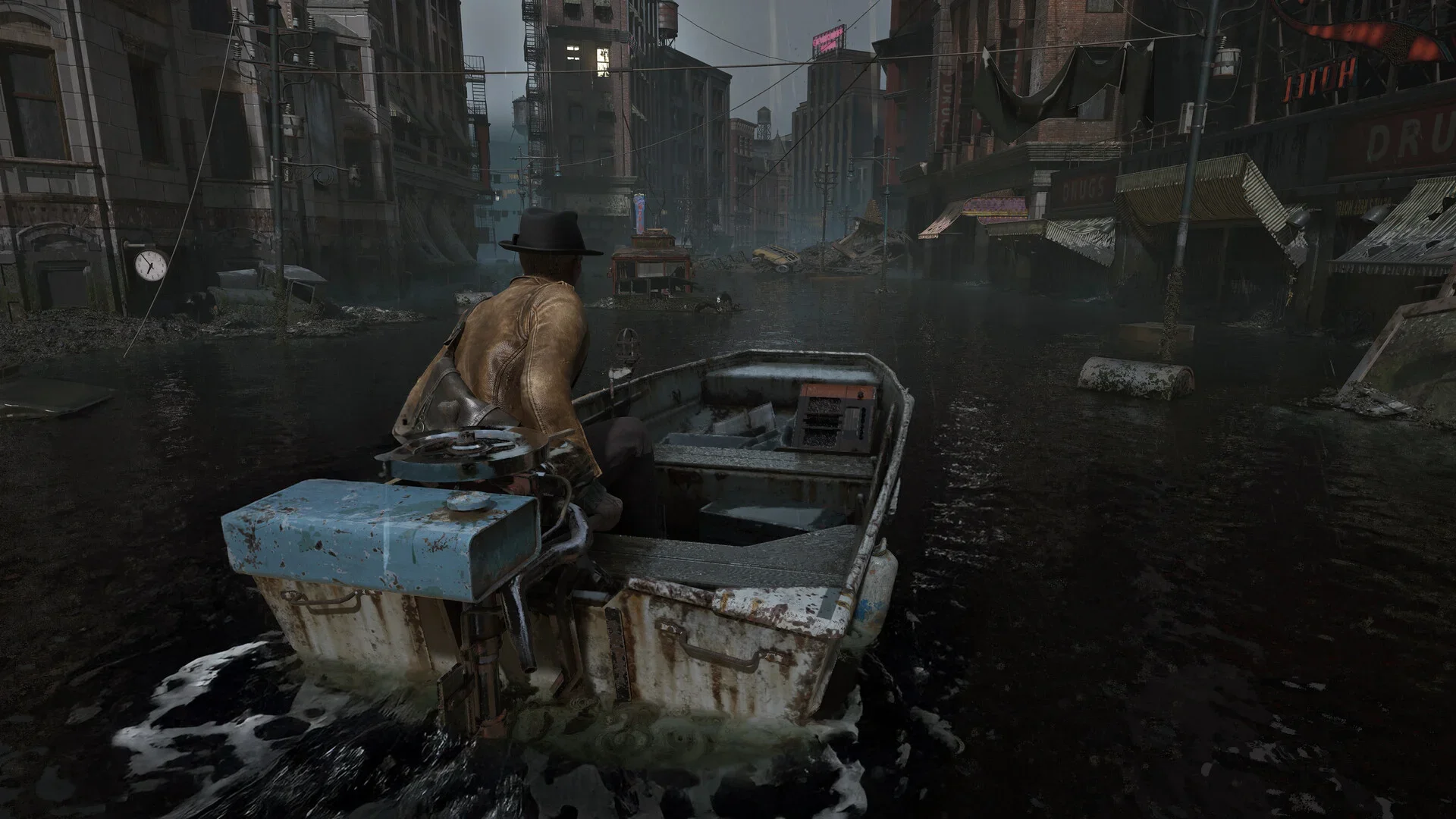





Emeteria’s Fading Echo is an action platformer with some clever ideas that falls flat in its execution.