

Director Ti West leans into the ghost story in Ebenezer, his Gothic adaptation of Dickens’s A Christmas Carol.
Ebenezer. Credit: Paramount Pictures
Ebenezer is director Ti West’s first big Hollywood studio movie. It’s a significant step up in scale and has a broader target audience than any of his previous work. Despite the atrocious trailers, I was curious enough about what that would look like to see it. I’m glad I did. I just wish it didn’t have the stink of Johnny Depp on it.
The film is Depp’s first Hollywood project since the Amber Heard allegations and legal battles. This didn’t need to be a vehicle for him, and the baggage of his casting distracts from what otherwise stands as a very good adaptation of Dickens’s A Christmas Carol.
Dickens’s story takes place in Victorian London. Ebenezer Scrooge (Johnny Depp) is a generally unpleasant businessman with a reputation for cruel miserliness. On Christmas Eve, he’s visited by the ghost of his deceased business partner and only friend, Jacob Marley (Ian McKellen). Burdened by chains, Marley warns Scrooge of the dangers of his present path and heralds the three guests he’ll soon meet. Three ghosts visit that night, taking Scrooge on a journey through his past, the present he’s blind to, and his potential future.
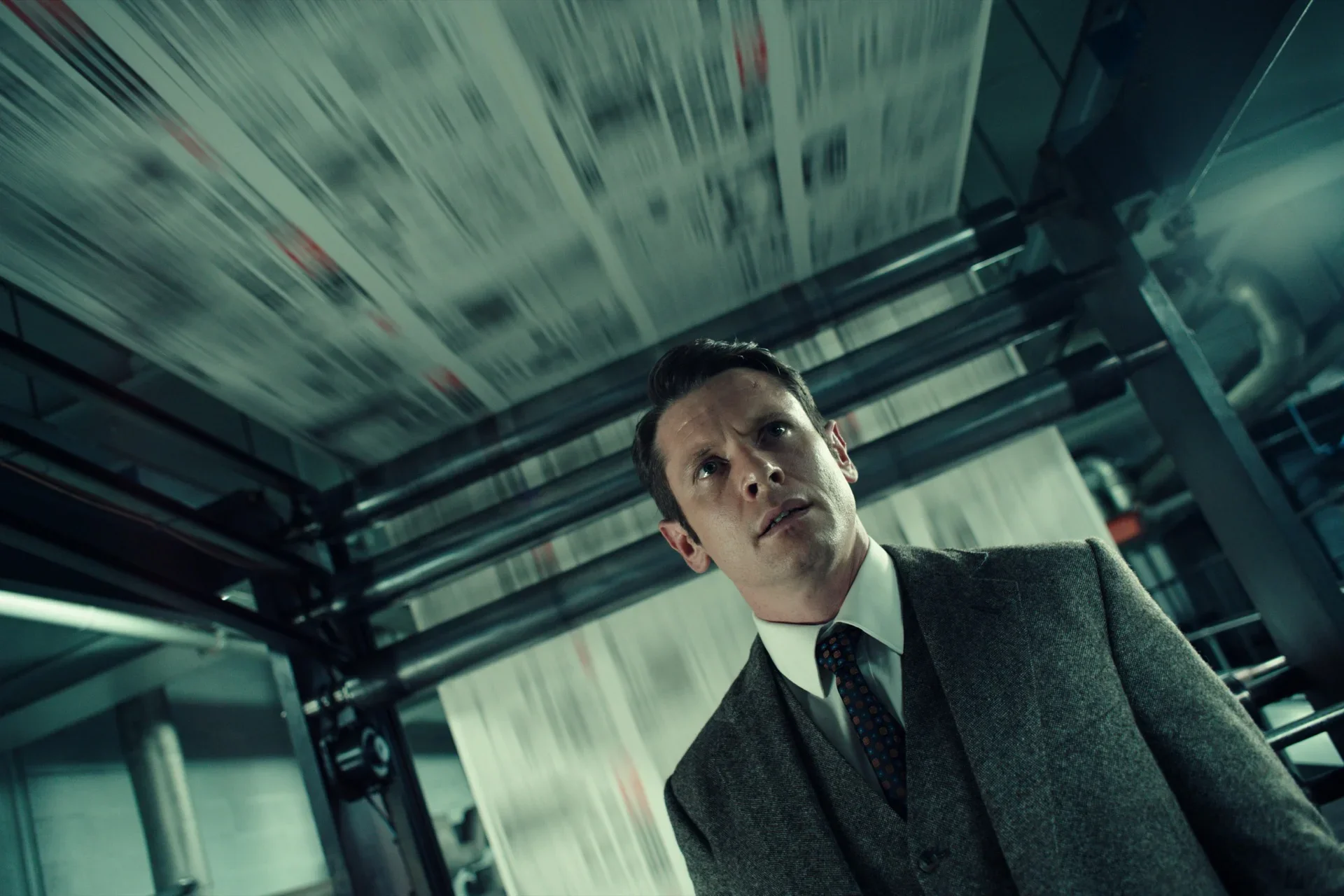
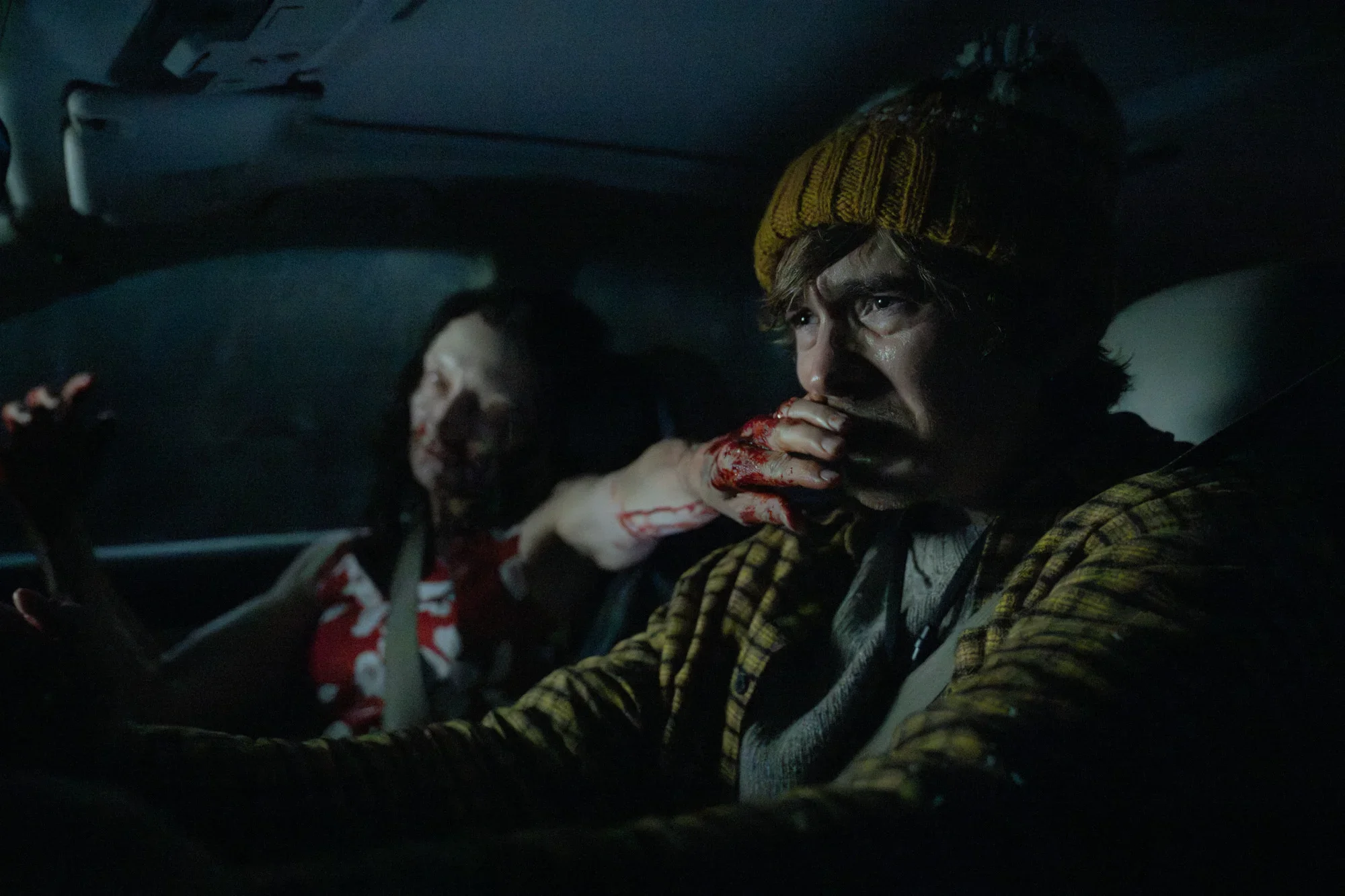
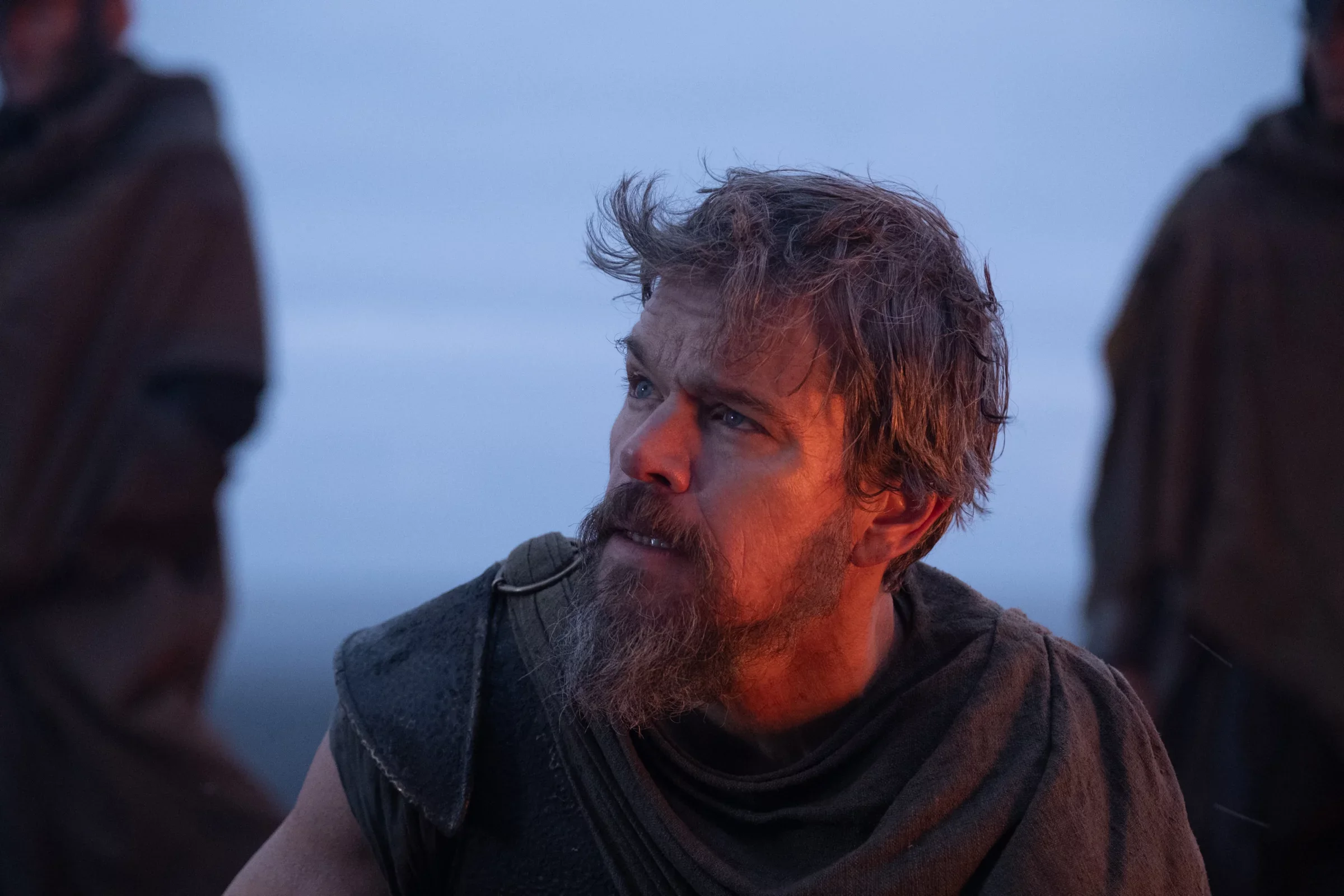
West’s take on the material is dark and atmospheric. He leans into his horror sensibilities, playing up the phantasmagoric nature of the story for spookiness more so than suspense or scares. That emphasis doesn’t mean he ignores the emotional stakes that ground the narrative. West makes us feel Scrooge’s effect on those around him and the tragedy of his choices, even when Depp undercuts that emotional weight.
Ebenezer. Credit: Paramount Pictures
Depp’s performance often borders on cartoonish. It offsets the movie’s scarier imagery, seemingly a calculated choice by the filmmakers to make the picture more family-friendly by counterbalancing its horror with broad comedy. Personally, the clownishness often left a bad taste in my mouth and strained his emotional credibility. It did seem like West reined in Depp’s worst impulses in some moments, but I think the actors portraying the younger Scrooge (Alfie Buck and Arthur Conti) were far better. Their grounded performances did a lot of the emotional heavy lifting. Those scenes elevate Depp, whose reactions to his younger self feel the most emotionally genuine. Outside of those scenes, it seems that bitterness somehow turns Scrooge into a clown in his later years. There’s certainly evidence of exaggerated performances in some of West’s earlier films, notably in the X trilogy, but Depp just didn’t work for me.
Ebenezer is a beautiful-looking film. It has a dark, gloomy, painterly Gothic look, punctuated by warm highlights. Heavy shadows and the weathered Victorian setting give the movie a rich texture. I could also spot imagery inspired by John Leech’s original illustrations for the first edition of Dickens’s novella. This is West’s first collaboration with cinematographer Checco Varese. I love the work of West’s usual DP, Eliot Rockett, throughout his filmography, but Varese did wonderful work here in this less pulpy production.
Ebenezer is a thoroughly enjoyable movie that I can see joining holiday movie rotations. I’d exercise caution in taking children sensitive to disturbing imagery. Otherwise, I’d recommend it for families with kids who can handle some spookiness. I still prefer Ti West’s smaller work in movies like X and The House of the Devil, but I’d call this foray into Hollywood production a success. The larger scale hasn’t diminished West’s command of atmosphere, even if his leading man sometimes undermines the emotional credibility of the film.
Ebenezer
Ti West’s Ebenezer is a spooky, dark, beautifully realized adaptation worth seeing despite Johnny Depp’s clownish performance. He too often undercuts the story’s emotional weight.



Director Ti West leans into the ghost story in Ebenezer, his Gothic adaptation of Dickens’s A Christmas Carol.