Rose Belmont cracks the whip on a tough, rewarding return to the series’ 2D roots, even if the music doesn’t quite answer the call.
Konami has spent the better part of the last decade keeping Castlevania alive through collections, so seeing a brand new 2D entry arrive in the series’ 40th anniversary year felt like a long time coming. Castlevania: Belmont’s Curse comes from Evil Empire, the studio behind The Rogue Prince of Persia and a good chunk of Dead Cells’ post-launch content, with Dead Cells creator Motion Twin on hand in an advisory role. It’s also a direct follow-up to Castlevania III: Dracula’s Curse, which tells you right away that Konami wanted this one to matter to the timeline. I played through it on PS5 Pro, and by all accounts, the Belmonts are back, baby!
The year is 1499, 23 years after Trevor Belmont put Dracula down in Wallachia. An older Trevor is summoned to Paris, where the streets are burning and monsters are crawling out of every shadow, and he brings his daughter Rose along for the hunt. Rose, the child of Trevor and Sypha Belnades, carries a mysterious curse that has taken hold of her arm. Her search for the source of the chaos takes her through the Paris streets, down into the catacombs, and across a sprawling cemetery before the familiar silhouette of Dracula’s castle looms over the city. Each boss she defeats is sealed into a tarot card, and those cards stick around to chat with her, which turns out to be a clever way to deliver story and fill in lore as you go. To the surprise of nobody who has followed Castlevania for any period of time - the winding, monster-filled path Rose finds herself on is building toward a second resurrection of the Count himself.
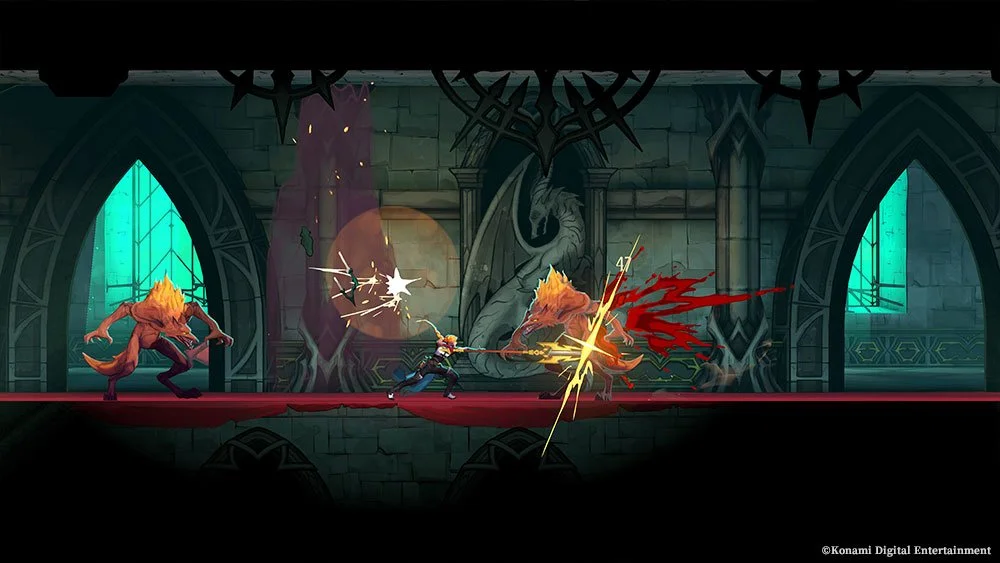
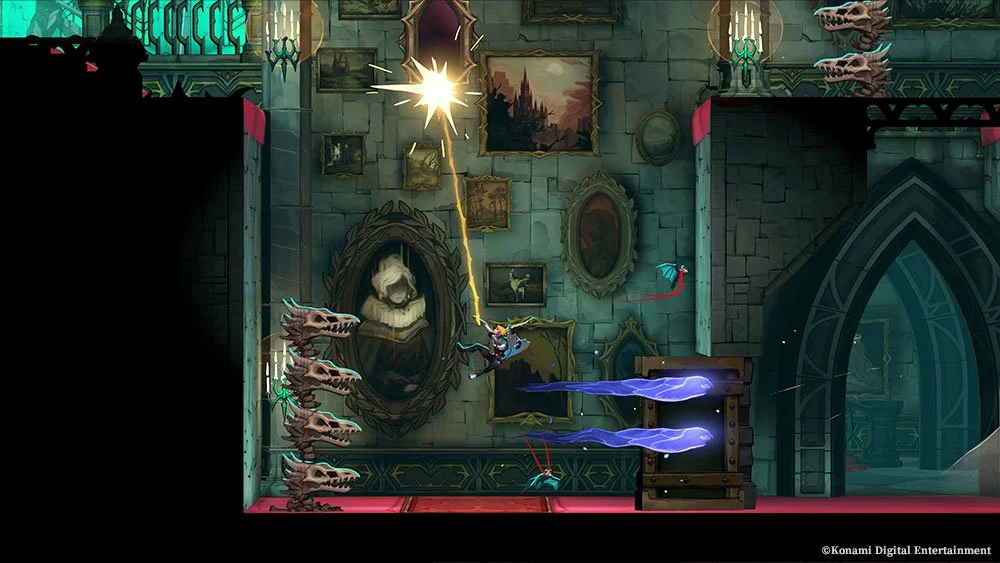
The combat is where Belmont’s Curse earns most of its score. Weapons span seven categories, (gauntlets and broadswords and lances, oh my!) and there are 44 relics to hunt down, slotted three at a time and swappable whenever you like, even mid-fight. Layer on the Arcana, spells drawn from those sealed bosses that can be upgraded by completing various challenges that range from the mundane to Herculean, and you’ve got a toolbox that bends to just about any playstyle. There’s also a parry I leaned on constantly, both for knocking back projectiles and, once I had the timing down, for weathering some brutal boss patterns. As the game hands out new mobility, like the grappling whip and later a double jump and aerial rush, Rose goes from scrappy to downright acrobatic, and soon enough I was feeling like a proper vampire hunter.
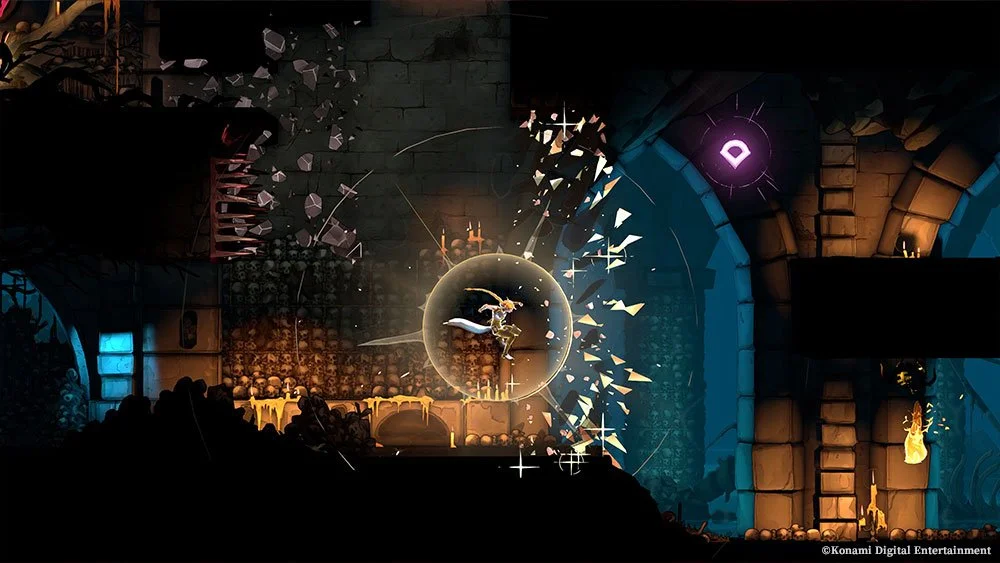
The environments are a treat too. Paris is a fresh backdrop for the series, and the layered streets, catacombs and Notre-Dame interiors are packed with detail, while the castle sections bring back the gothic halls and clock towers longtime fans will recognize. Enemy designs mix classic Castlevania creatures with French history and folklore, and the lore connections, including a few returning faces from Curse of Darkness, make this a worthwhile chapter in the Belmont saga.
Fair warning: this game bites. The challenge reminded me of the 8 and 16-bit days, where trying to blitz a boss gets you punished in a hurry and getting lazy in a room full of minions can leave you staring at a game over screen. Good command of your mobility, the parry and a weapon that suits you helps take the edge off, and I’d strongly recommend picking up the shield Arcana in the back half of the game, which became essential to my run. My frustrations came from certain platforming segments that ratchet up the difficulty too much, too fast, made worse by mechanics that need pinpoint precision but don’t always behave consistently. Boss difficulty is also all over the map, and Dracula himself was a bit of a letdown after the gauntlet that came before him.
Perhaps the biggest disappointment is the soundtrack, which is a tough pill to swallow for a series whose music is half its identity. There are some decent loops, but they’re too short to settle in, and little else stands out. Kotaku made the point that the new take on Bloody Tears doesn’t go for the jugular the way past versions have, and I’m right there with them. That stings extra knowing music from this game will be performed live for the first time at the 40th anniversary orchestral concerts early next year, including a stop at the Dolby Theatre in Los Angeles (which I may just have to go see).
Some critics have argued Belmont’s Curse is more Metroidvania than Castlevania, and I’d push back on that. Symphony of the Night blended Super Metroid’s interconnected world with RPG elements and helped define the genre in the first place, so it’s hard to picture a new Castlevania that wouldn’t fall into that category. In its look, its castle structure and its whip-cracking soul, this still feels like Castlevania to me.
Belmont’s Curse doesn’t have the sweeping scope or the legendary soundtrack of Symphony of the Night, but it stands on its own as a reminder of what this franchise gave the genre. If you’re a Metroidvania fan, or a Castlevania fan who’s been waiting years for a new Belmont to root for, this one is worth picking up. I’m glad Rose is here, and I hope we see her again.
Castlevania: Belmont's Curse
Belmont’s Curse pairs flexible, satisfying combat with gorgeous environments and meaningful lore, and despite spiky platforming and a soundtrack that falls flat, it’s a must-play for Metroidvania fans.