Pragmata [Review]
Capcom's new IP shines in its debut
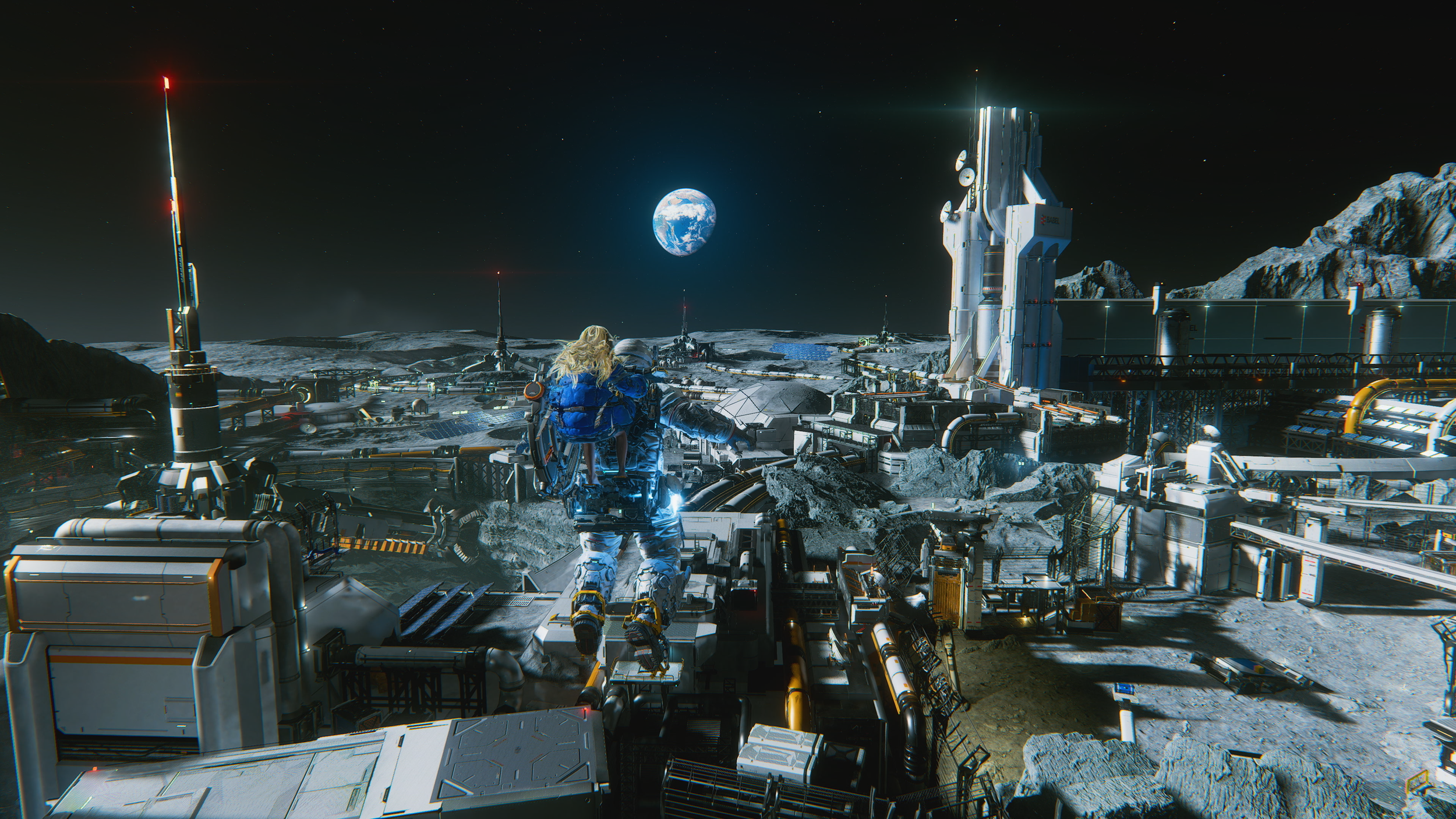
I remember the exact moment Pragmata hooked me. It was PAX West 2025, I'd just gotten my hands on the demo, and within minutes of navigating that cold, desolate lunar corridor with a tiny robot girl on my back, I knew I needed more. After years of delays since the game's initial 2020 announcement, the wait is finally over, and I'm pleased to report it was worth it.
Capcom has been on a genuine tear lately. Monster Hunter Wilds was a crowd-pleaser of the highest order last year, and Resident Evil 9: Requiem earlier this February reminded everyone why that franchise remains one of gaming's gold standards. Pragmata slots comfortably into that winning streak. It's a tight, earnest, mechanically satisfying third-person action game that packages the best of PS3-era single-player design with a pairing at its heart that will stick with you.
The World
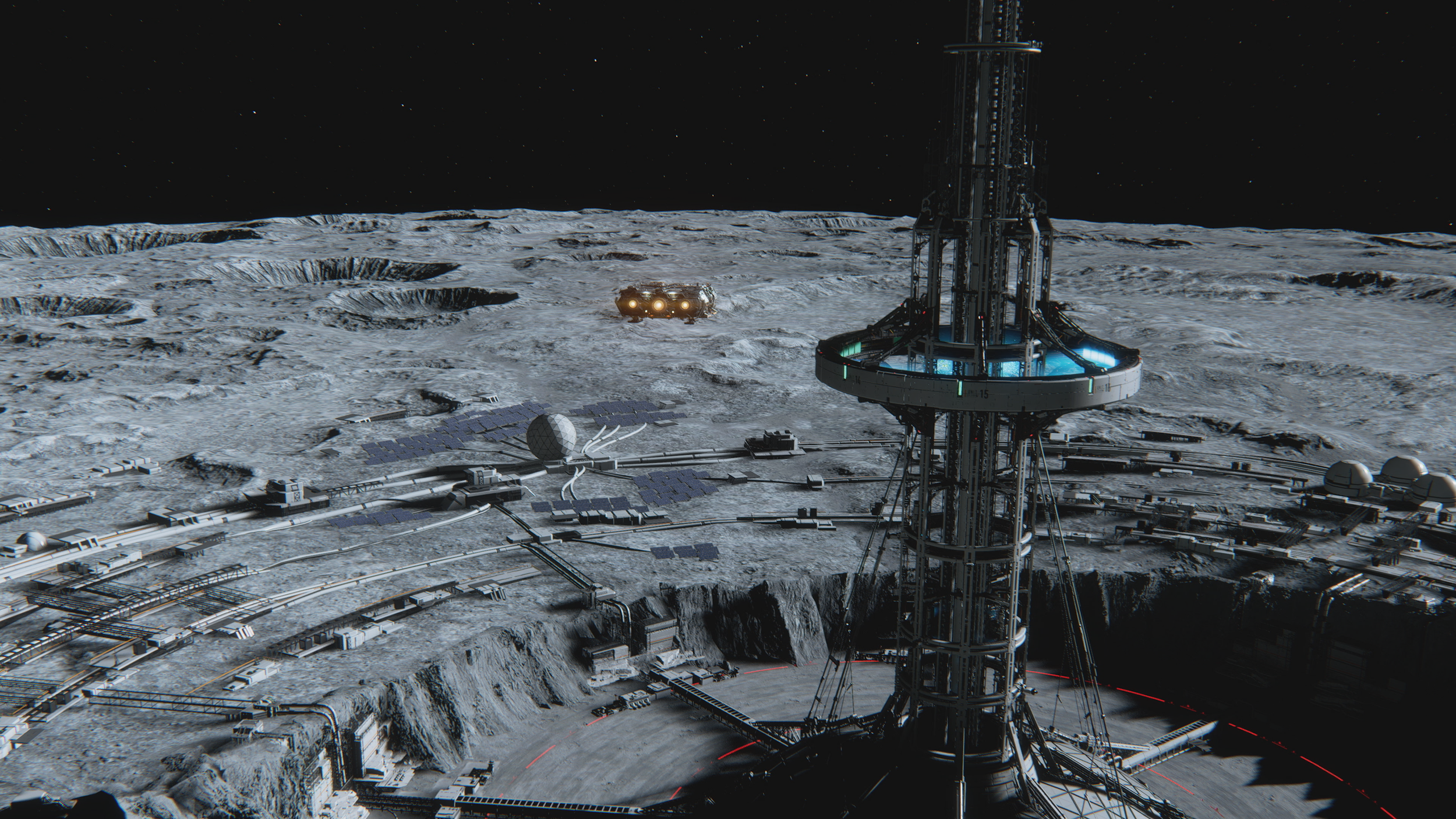
Set in the near future, the Delphi Corporation has revolutionized manufacturing with the invention of the lim replicator, a device capable of 3D printing virtually anything as long as you have the right blueprint. The catch: these machines require a special material called lunafilament to function, which is mined from a massive moon base called the Cradle.
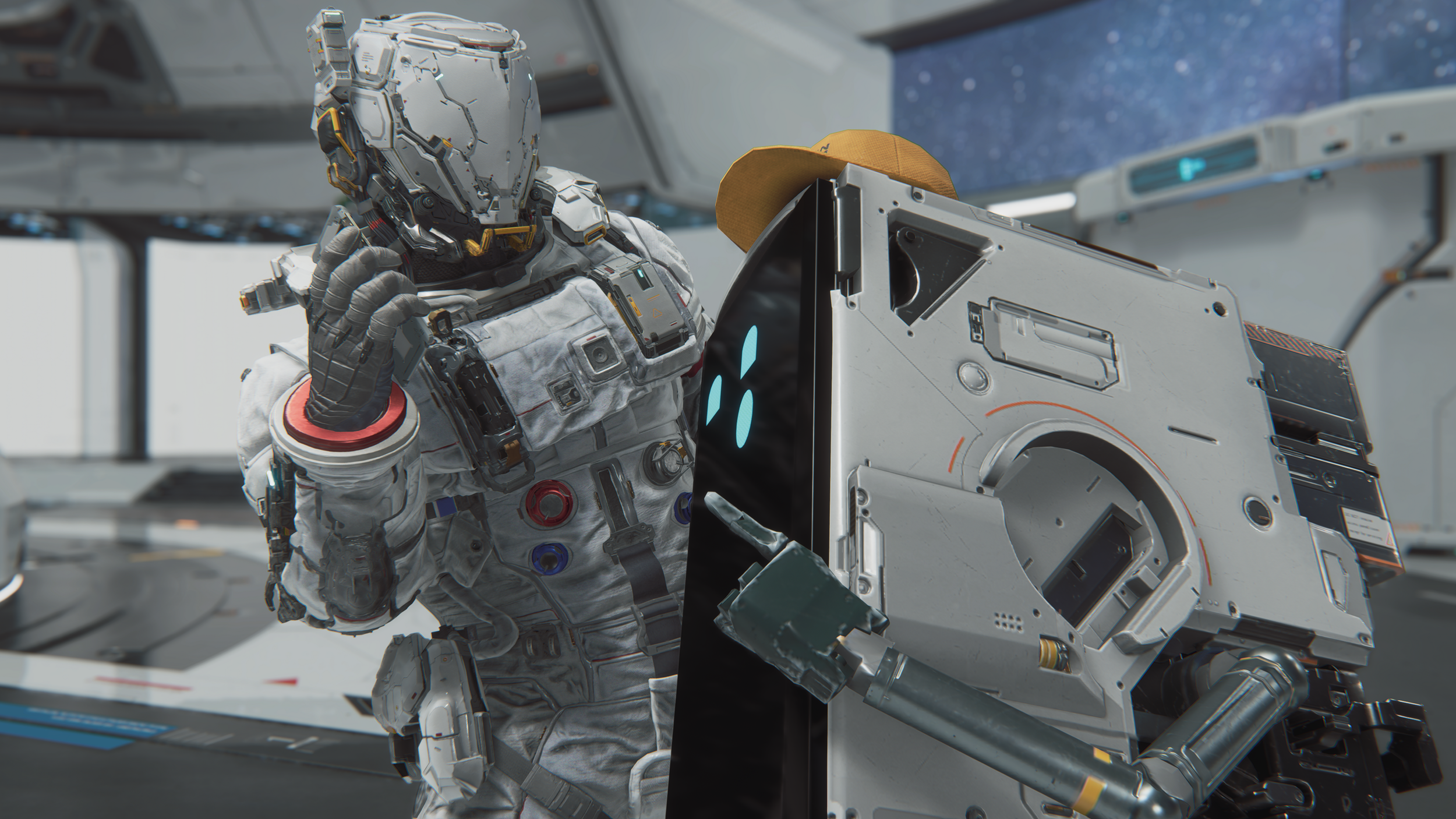
The Cradle is operated by an artificial intelligence called the Intelligent Direction Unification System, or IDUS, which controls all of the facility's robotic workforce. When communications with the Cradle go dark, systems engineer Hugh Williams is dispatched with a response team to investigate. What he finds is a facility stripped of human activity, and after a devastating moonquake separates him from his team, he's revived by a child-like android girl built from lunafilament herself: Pragmata D-I-0336-7, who Hugh comes to call Diana.
The timing of Pragmata's release carries a quiet irony that's hard to ignore. The development team built this dynamic between a hostile, takeover-driven AI and a protective, learning one long before AI became a dominant cultural conversation. That coincidence gives Pragmata's themes unusual weight in 2026, a weight its creators likely did not predict when they started building the game. You have two artificial intelligences at the center of the story: one that destroys, and one that grows - and the contrast between them lands with more resonance now than it might have even five years ago. We're having very real, very anxious conversations today about what it means to build systems we can no longer fully control, and Pragmata, without ever being preachy about it, reflects those anxieties back at you through its world.
Pragmata doesn't aim to be Nier: Automata. It's not reaching for philosophy and it never pretends to. But there's a thoughtful layer of worldbuilding woven into the environments for players who want to find it. Emails, system logs, scattered data entries left behind by the Cradle's vanished human staff paint a detailed picture of what this place once was. You can feel the influence of Resident Evil's environmental storytelling here, and it works beautifully. The lore rewards curiosity without punishing players who want to stay in the action.
Visuals and Performance
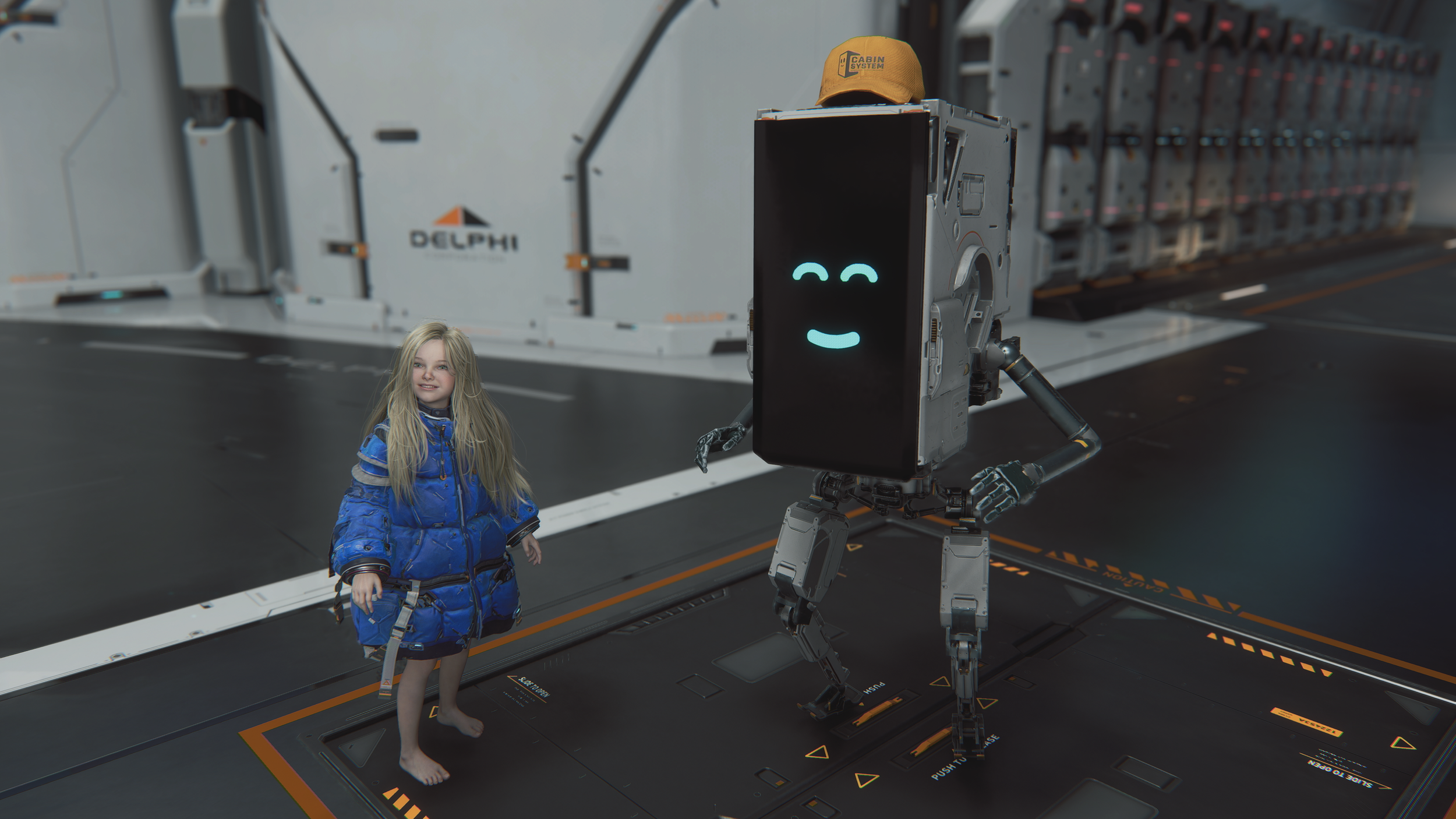
Pragmata is a gorgeous game. The Cradle's abandoned corridors have a crisp, clinical sterility to them that makes every stray piece of debris and every flickering light source feel intentional, and the detail work in Hugh's suit and Diana's expressions holds up under scrutiny in a way that lesser productions don't. Running on the PS5 Pro, the game is a consistent visual showcase. What's more impressive, though, is that Capcom managed to ship Pragmata on Nintendo Switch 2 on the same day and date as every other platform, and by all accounts didn't phone it in to get there. Reviews conducted on Switch 2 suggest this is not a compromised version of the game quietly hoping you won't notice the gaps. The visual fidelity on Nintendo's hardware is sharp enough to genuinely impress, and the optimization work required to pull that off deserves recognition. In an era where ports are frequently an afterthought and day-one parity across platforms is rarely a guarantee, Capcom made sure that however you're playing Pragmata, you're playing the real thing.
The Gameplay
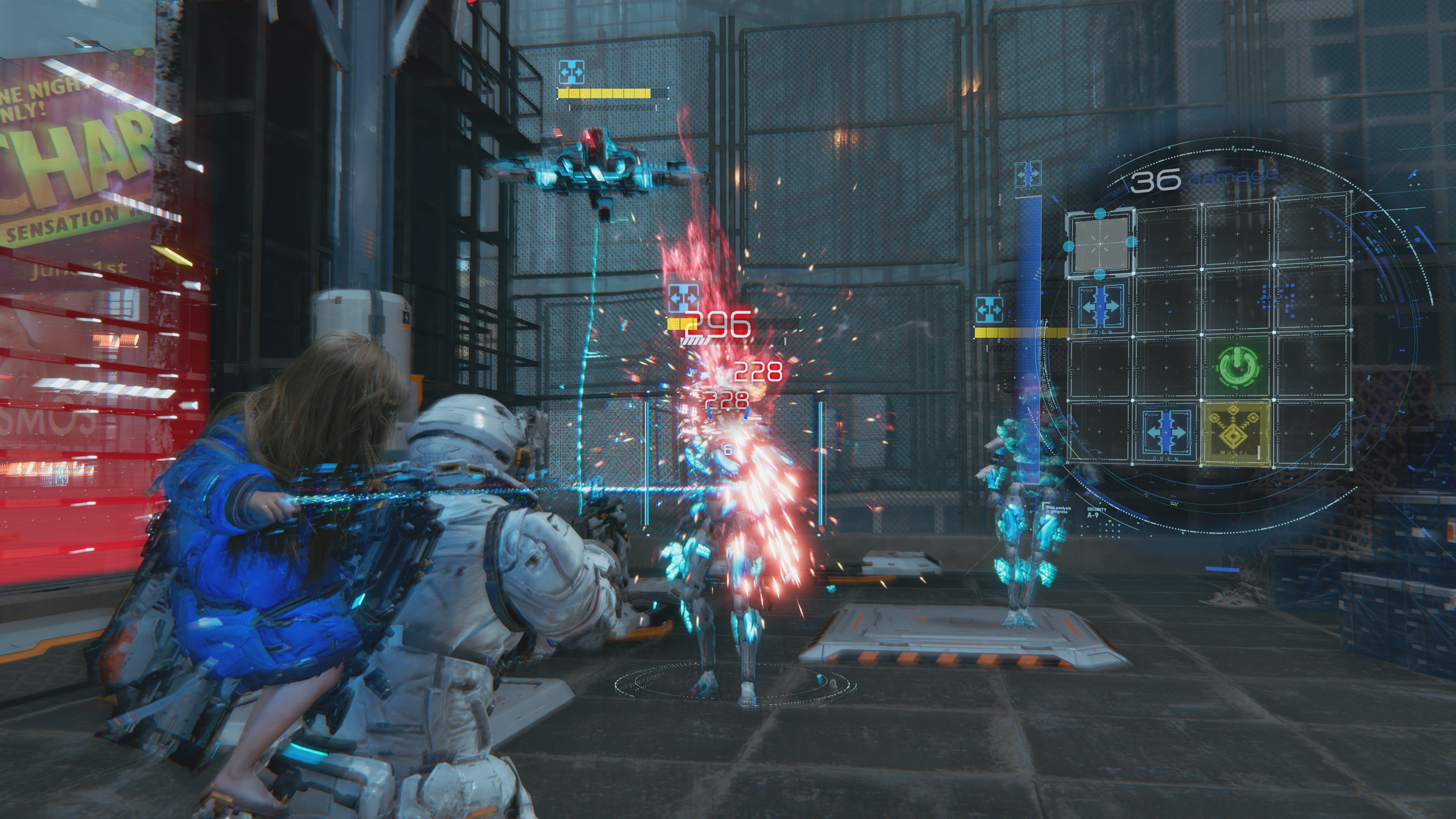
This is where Pragmata really earns its score. The central mechanics are simple enough: Hugh shoots, Diana hacks. The complexity? You have to “git gud” at doing both at the same time. Targeting an enemy reveals a hacking matrix, a grid of color-coded nodes that Diana navigates while you're still managing your position and firing. Threading the needle of maintaining a hack while dodging fire and landing shots is genuinely, sustainably satisfying in a way that never fully loses its novelty. The layered demands raise the stakes in encounters without tipping over into frustration.
Diana's hacking mods deepen the system further. Multi-hack chains a successful hack to nearby bots, letting you swing momentum in crowded fights. Confuse turns a hacked enemy against its own allies, which opens up all kinds of delicious tactical chaos. These aren't optional flourishes; ignoring them puts you at a real disadvantage as the enemy roster grows more complex. The auto-hack skill eventually becomes available if the manual process starts to feel like too much to juggle, but it draws down Diana's hacking gauge as a cost, which keeps it from being a free pass.
Hugh's arsenal breaks into four distinct categories: Primary (your handgun and basic automatic), Attack (shotguns, high-powered lasers), Tactical (stasis nets, knockdown grenade launchers), and Defensive (decoy generators, drone hives). Cycling fluidly between these as enemy types escalate is where the game's mid-to-late combat really opens up, rewarding players who pay attention to what they're fighting rather than just blasting away at whatever's in front of them.
Movement is snappier than Hugh's bulky spacesuit would suggest. Thrusters for dodging are available right out of the gate, and unlocking the "Fast Moves" passive early, which slows time after a perfect dodge, is one of the best investments you can make in the opening hours. The jump-and-hover is a touch less maneuverable than I'd have liked, but that's a genuinely minor gripe in an otherwise solid movement toolkit.
The Shelter and Diana
Your home base, the Shelter, is where Pragmata earns its "Dad Simulator" reputation, and I mean that as a compliment. This is where you upgrade weapons, suits, and hacking mods using the lunafilament you've scavenged from the Cradle. But it's also a living space that you and Diana make your own. As you explore the abandoned moon base, you'll find relics from Earth that have made their way to the Cradle, toys, trinkets, artifacts of a world Diana has never seen. Bringing them home and watching her react to them is genuinely endearing.
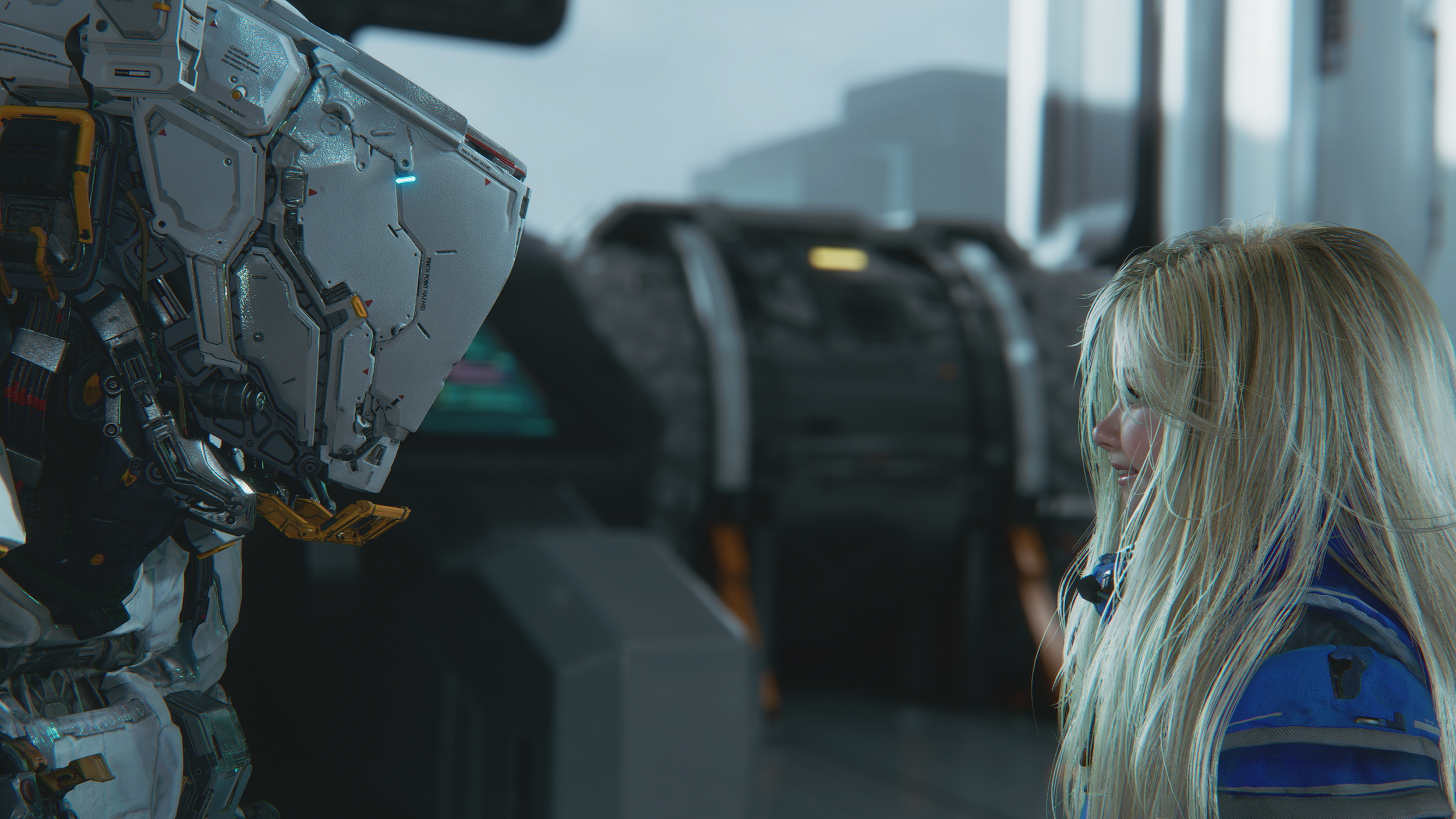
The conversations that unlock in the Shelter between Hugh and Diana are saccharine in the best way. She gives him drawings. She asks if he has kids. She digs into his history as an adopted child. Pragmata does well to keep these moments from feeling like filler. Instead, they feel like the game trusting its characters to carry weight without action beats to prop them up. Hugh and Diana as a pairing is familiar territory, yes, the gruff, weathered man and the innocent, curious child have a long lineage in fiction, but Pragmata proves that the dynamic still has plenty of mileage, if executed well.
From a practical perspective, the training simulator within the Shelter is also worth your time in a way that surprised me. These aren't throwaway challenge rooms. The rewards are genuinely enticing, the difficulty is approachable at the base level, and nested sub-challenges offer more for players who want a harder ask. Cabin Coins earned here can be exchanged for bingo card rewards that meaningfully supplement your build. It's a side activity that I was actually interested in coming back to again and again.
The Verdict
At the end of the day, Pragmata is just a damn fun game to play. I've found myself picking up the controller for two-to-three hour stretches with genuine enthusiasm, working through levels, uncovering new items, running training challenges, and slowly moving towards its bittersweet finale. The runtime sits between 10 and 15 hours for a focused playthrough, and even if you squeeze out everything the Shelter and training simulator have to offer, you're unlikely to push past 20. There's a part of me that wanted more. The world is rich enough and the mechanics are polished enough that more time inside them would have been welcome.
But there's also something to be said for a game that knows exactly what it is, delivers it with confidence, and leaves you satisfied rather than exhausted. Pragmata doesn't overstay its welcome. It trusts you with the experience it has to offer and then lets you go. That restraint is its own kind of craft.
Capcom has the makings of a new gem here, and I'm genuinely curious where this IP goes from here. For now, go see what all the fuss is about. You won't regret it.
Pragmata
Pragmata pairs sharp, layered third-person shooting with an endearing companion dynamic. It's a lean 10-15 hour experience that sticks the landing, even if you'll wish there was a bit more of it.