S-GAME's kungfupunk debut pairs a sprawling wuxia tale with some of the best swordplay of the year.
If you were watching Sony's PlayStation Showcase back in May 2023, you probably remember the moment: tucked in among the bigger names was a trailer from S-GAME, a Beijing studio known mostly at home for its Phantom Blade mobile games, and it showed a lone swordsman named Soul carving through enemies with animation so fluid and transitions so clean that it looked more like a fight choreographer's demo reel than something you could hold a controller for. The reaction was equal parts awe and suspicion. Push Square openly wondered whether it was a real game at all, and plenty of fans figured the footage was pre-rendered smoke and mirrors that would never survive contact with actual hardware. S-GAME clearly heard the chatter, because when founder Soulframe Liang put out a Year of the Dragon trailer in early 2024, he tacked on PS5 gameplay along with a note assuring everyone the game was "R-E-A-L real." From there the receipts kept coming, with raw gameplay previews, the closing slot at Summer Game Fest 2024, a release date reveal at The Game Awards 2025, and a 50-day delay that pushed launch from September to the end of October so the team could keep polishing.
Well, as it turns out, it was real. When Phantom Blade Zero finally arrived, gamers everywhere (myself included) were thrilled to see that it is every bit as good as it looked, with a robust wuxia-inspired story and gorgeous visuals to match. A couple of years after Black Myth: Wukong kicked the door open for Chinese-developed action games on the global stage, S-GAME has walked right through it with a game that feels confident in its own identity.
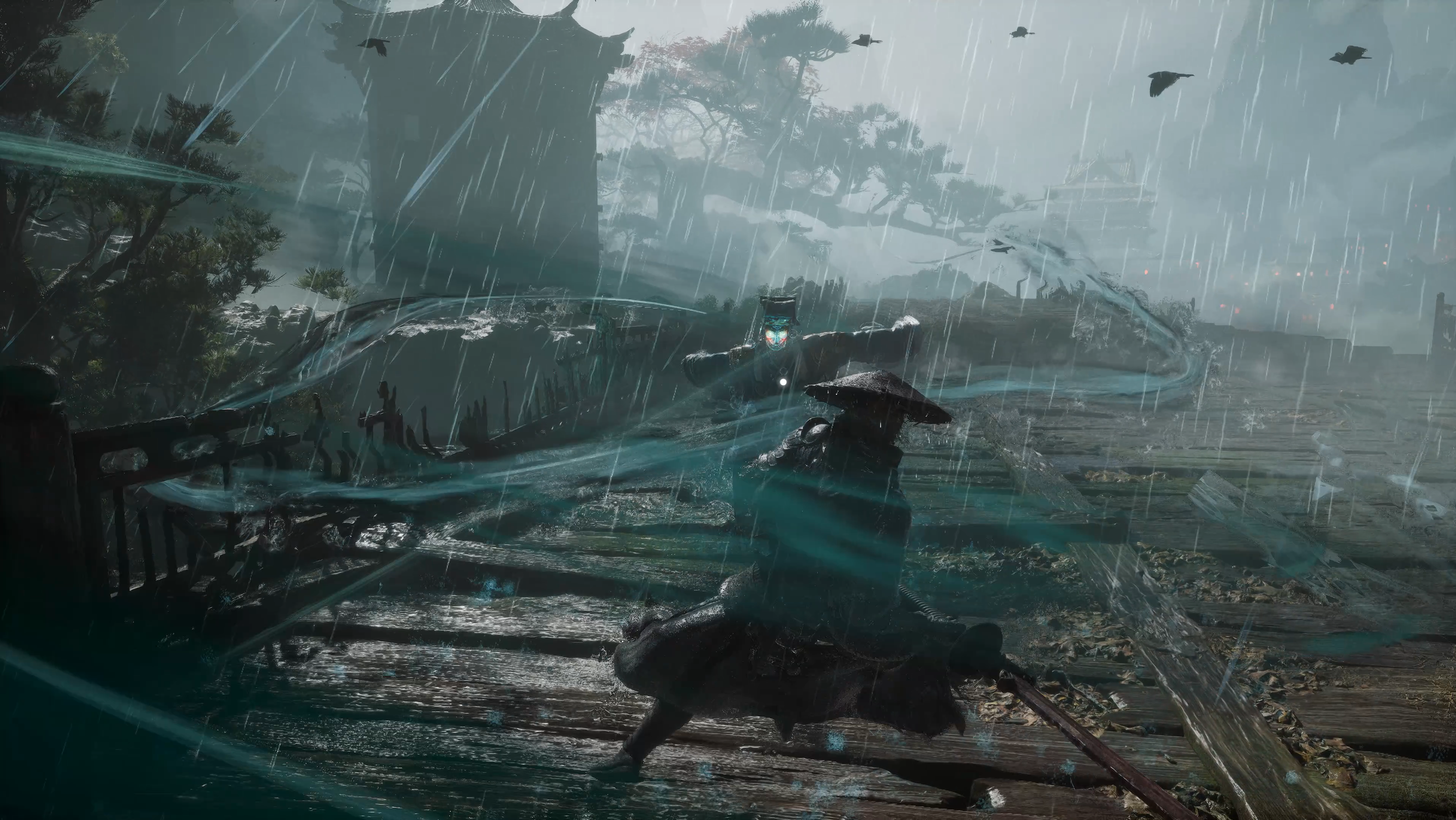
You play as Soul, an assassin of the Order, a shadowy organization operating in the wulin, the martial world that wuxia stories call home. When the Order's Patriarch, Mu Tianmiao, is murdered, Soul is framed for the killing, and a betrayal by his sworn brother Zuo Shang leaves him with a ruined heart and a tainted replacement that buys him just 66 days to live. With that clock ticking, Soul sets out to clear his name and settle the score, all while a creeping calamity spreads across the land and twists ordinary people into monsters and puppets.
The story jumps between time periods and doles out its pieces slowly, so it takes a while to click into place. Digital Trends felt the same way, calling the narrative fragmented before praising how well it comes together, and I would agree with that characterization. Once the picture sharpens, Phantom Blade Zero delivers a compelling slice of Chinese fantasy as its mainline tale, full of sworn oaths, wandering swordsmen, and the kind of grudges that span decades. If you grew up on kung fu films or caught wuxia by way of anime, you'll feel right at home.
What surprised me most is how much of the game's heart lives in its side quests. From crafty thieves to shrewd businessmen, disillusioned monks and heartbroken widows, the people of the wulin all have something weighing on them, and Soul works within the tight window of time he has left to restore a sense of justice for these archetypes and more. Many of these stories also fill in the backstory of the bosses you face, and seeing them through has a real say in which of the game's multiple endings you reach. Some critics weren't as charmed, with VGC finding the side stories dull and GosuGamers calling the late-game errands a collect-a-thon, and there is some fetch-quest padding toward the end. Still, the best of these quests stuck with me longer than a few of the main story beats, and they make the large and beautiful world you're charged to explore feel lived in.
As good as the story is, the combat is the star of the show. Soul acquires a number of unique weapons throughout his journey, and the flow and feel of each one varies enough to keep moment-to-moment gameplay fresh. You carry two primary weapons you can swap between on the fly, along with two Phantom Edges, secondary tools that offer a special moveset fueled by a more restricted energy type. From hulking two-handed blades to dual-wielding daggers or nimble one-handed swords, there's sure to be something that strikes your fancy, and every new unlock is an excuse to see what wild animations S-GAME cooked up for it. The Phantom Edges also double as keys that open shortcuts and secret areas in places you've already been, which gave me a pleasant little Super Metroid itch to scratch.
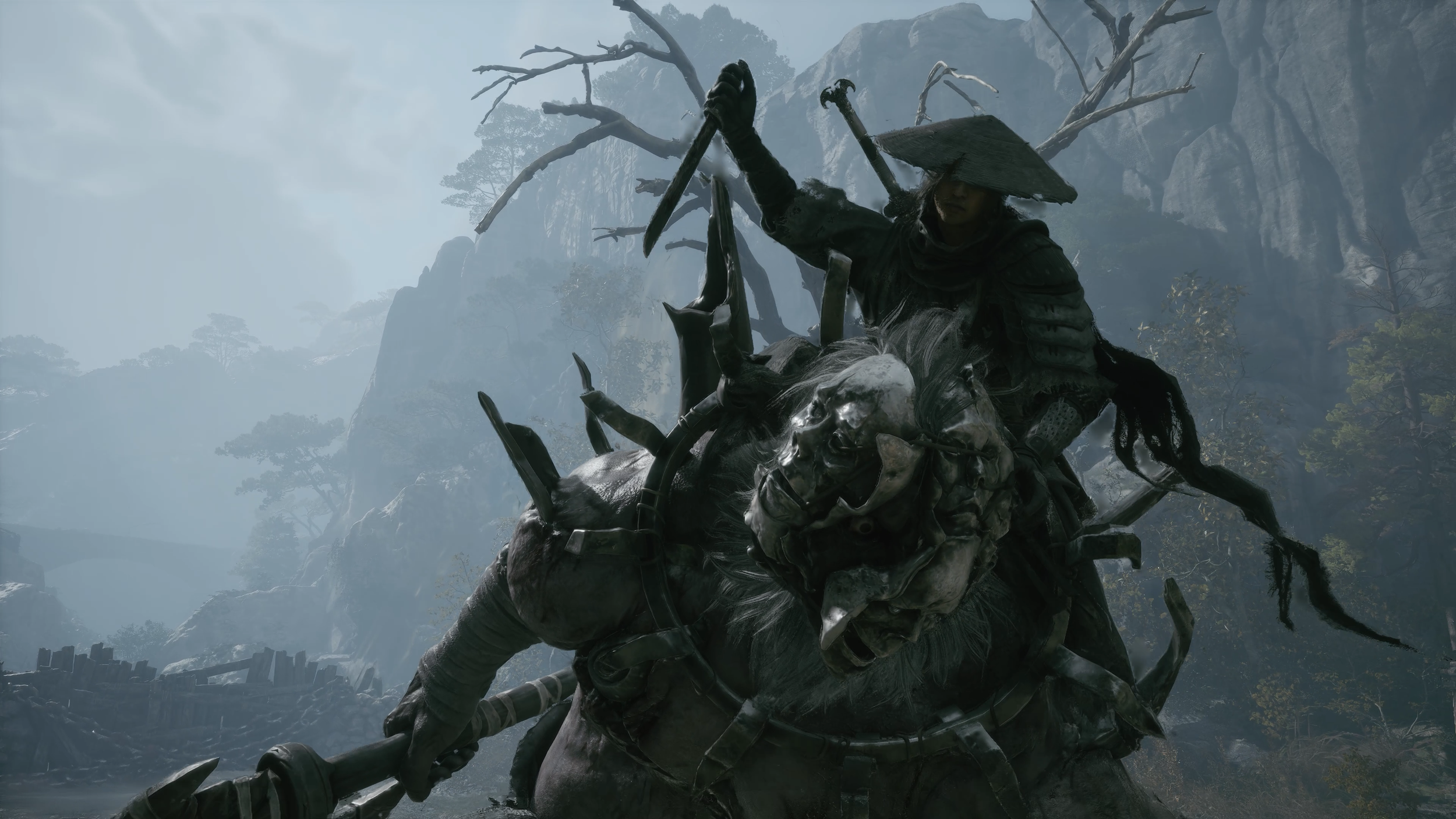
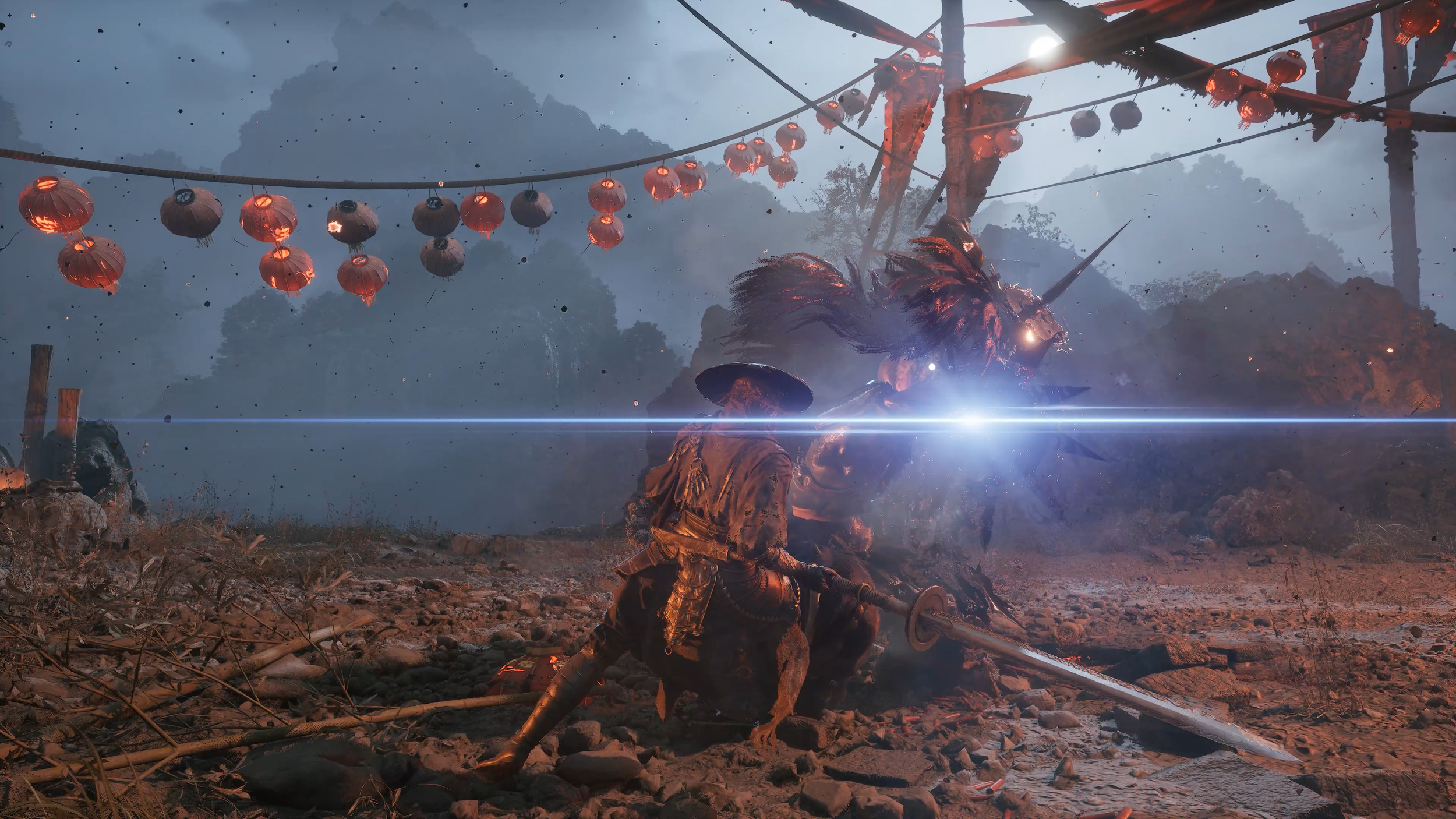
Taking a page out of Stellar Blade's book, certain enemy attacks telegraph themselves with a colored flash, blue for a perfectly timed parry and red for a dodge. Nail the timing and you're rewarded with a flashy counter that feels like something out of a Shaw Brothers fight scene, which elevates the cinematic feel of the boss encounters in particular. And there are a lot of bosses, each with its own personality and attack patterns to learn. If you've been worried this is another punishing Soulslike, PC Gamer put it well when it said the game is "demonstrably not a Soulslike," and I agree. It borrows the checkpoint bells and some of the parry-forward rhythm of Sekiro, but it's far more interested in making you feel like a martial arts master than in grinding you down.
Before you get too comfortable, a word on difficulty. The early chapters offer a steep incline while you get your bearings with the core combat mechanics, learning the parry and dodge timing and how to manage your Sha-Chi meter without leaving yourself wide open. A few bosses in particular will feel like solid walls the first time you run into them. Hua Qianxiao, the Sword Fanatic, who waits for you on the Pangzhen Bridge as the first major test of the Crimson Forest, will humble you in a hurry, and Bai Chilian's two-phase duel plays out almost like a pair of separate boss fights stacked back to back. Stick with it, though, because around chapter 4 or so I found the difficulty leveled out considerably. If the opening hours have you bouncing off, know that the game gets a lot friendlier once you've learned its language.
Unlike a Soulslike, enemies in Phantom Blade Zero do not respawn as the game progresses. This is a double-edged sword. On the one hand, you're free to explore cleared areas without fear of ambush, which makes backtracking with a new Phantom Edge a breeze. On the other hand, the world can start to feel empty, particularly if you double back in the later chapters to close out earlier side missions. It also means you can't grind for extra remnant dust to power up your weapons and abilities beyond what the set enemy population provides, so you'll need to be choosy about where you invest. PC Gamer found upgrade resources generous, but between the limited enemy pool and the number of weapons I wanted to try, I felt a bit pinched for resources and not having the option of re-treading certain areas for more currency just made it more pronounced. Ultimately, while the quality of the combat left me hungry for more fights, I did appreciate being able to wander previously tread areas without slogging through fresh waves of enemies.
With its beautiful world, engrossing narrative and superb combat, Phantom Blade Zero has more than earned its spot in the Game of the Year conversation, and The Game Awards agreed by naming it one of this year's six nominees alongside five total nominations. S-GAME spent three years fighting the perception that its game was too good to be true, and it turns out the trailer was underselling it. While we're all still neck-deep in GTA VI hype, do yourself a favor and set aside some time to give this one a look before the new year. Whether you're a longtime action game fan or just curious what all the fuss is about, you'll be very glad you did.
Phantom Blade Zero
Phantom Blade Zero lives up to every frame of its jaw-dropping reveal trailer, with a moving wuxia tale, side quests full of heart and combat that leaves you hungry for the next fight, making it a 9/10 Game of the Year contender worth playing.