

Lumentale: Memories of Trey (Review)
Lumentale: Memories of Trey is a creature-collecting RPG developed by Beehive Studios and published by Team 17. Players step into the shoes of Trey, a mysterious cyborg struggling with amnesia, who ventures into the vast world of Talea to recover his lost memories. Talea is a fascinating setting, inhabited by elemental creatures known as Animon. Professionals who capture and train these beings are called Lumens. The country is split between the technologically advanced North (Logos) and the mystical South (Mythos), two regions on the brink of civil war that only communicate through Lumen mediators. Players must choose which region to explore first; this decision influences how their Animon evolve and determines the final evolution of their starter. While the game lacks character customization, leaving players to experience the journey strictly through Trey’s apathetic but curious perspective, the branching paths and regional creature variants add meaningful depth to the exploration.
For me, the heart of any creature collector is the capturing mechanic, and Lumentale excels here. Players can attempt a quick capture in the overworld using a Bilia if they succeed at a timed quick-time event or opt for a traditional battle to weaken the Animon first. A standout feature is the hidden dual-typing system; while most Animon appear to have a single type, discovering rare dual-type variants is incredibly rewarding. I appreciate that the game allows players to scan a creature’s typing during battle to avoid wasting resources. Furthermore, since Animon possess distinct abilities akin to Pokémon, I found myself catching multiple specimens of the same species to experiment with different potential builds.
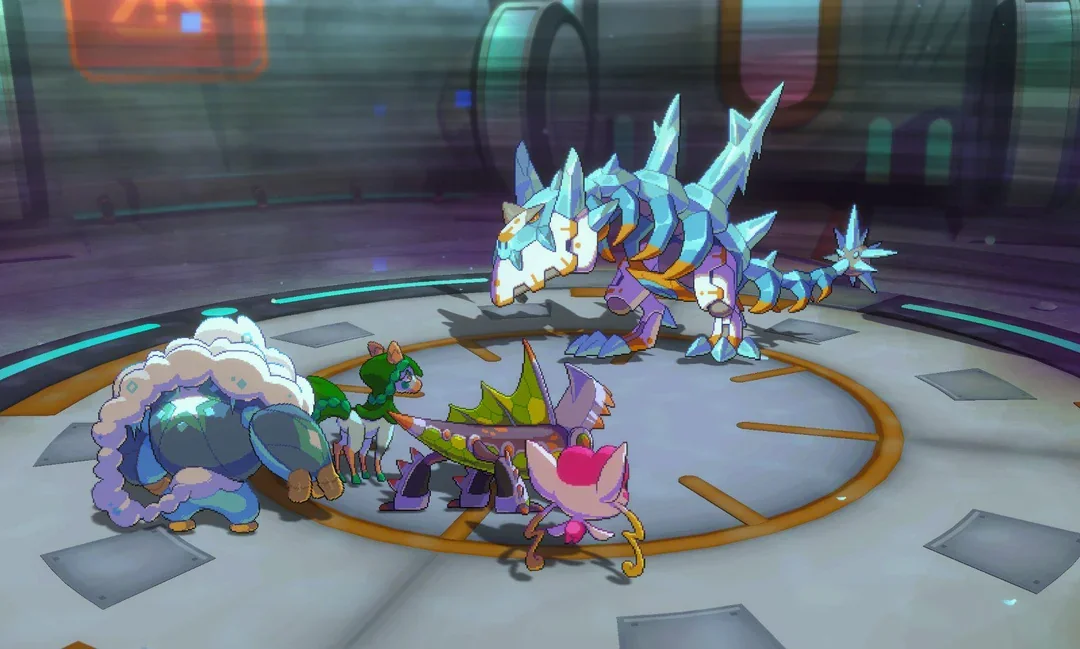
Lumentale supports a party of six Animon, allowing you to field a team of four in traditional, turn-based combat reminiscent of classic RPGs like Dragon Quest or early Final Fantasy titles. This tactical approach is a refreshing departure from most creature collectors and provides a great opportunity to train Animon that might otherwise struggle in solo encounters. While Animon in your party gain passive experience even when not participating in battle, the gains are noticeably lower. To bridge this gap, the game features a convenient "pre-battle" mechanic: you can physically throw your Animon at wild creatures to initiate a head start, or, if your team is sufficiently leveled, secure an immediate victory before combat even begins. This system makes leveling up weaker creatures both efficient and rewarding, which is perfect for collectors who, like me, enjoy evolving every new species they encounter.
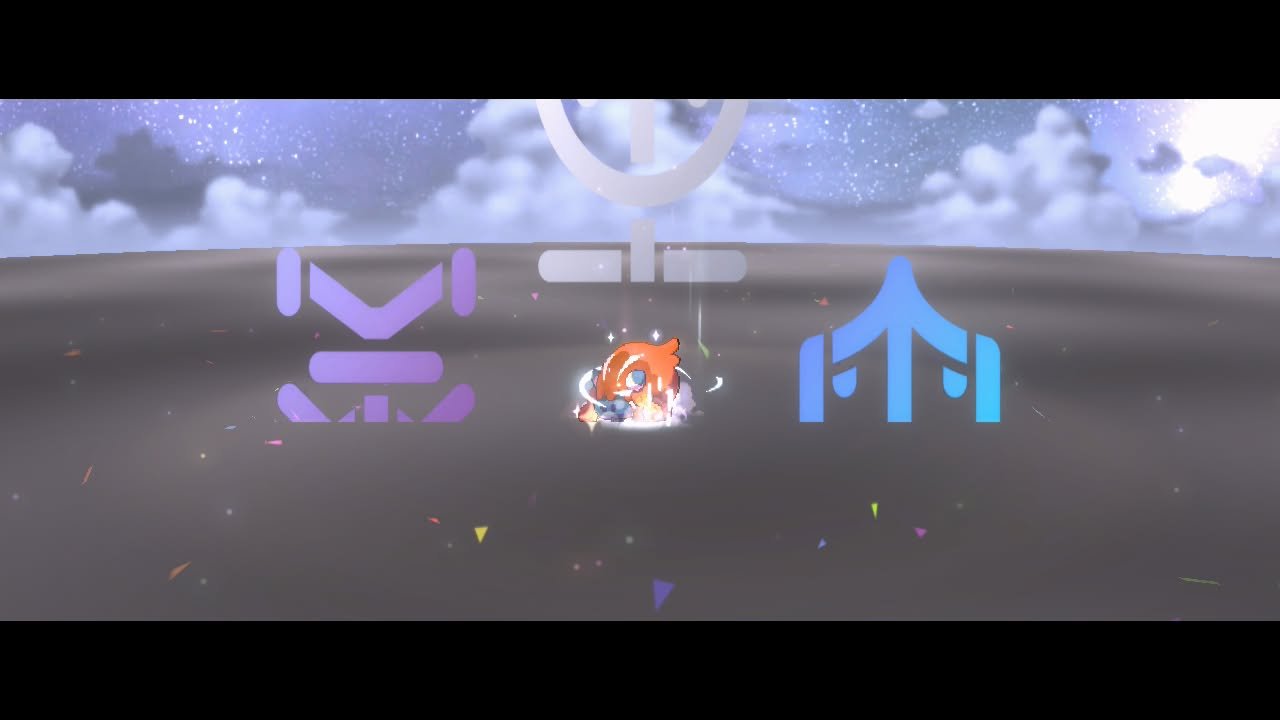
With approximately 140 Animon to discover, the game’s creature design is a major highlight; the monsters feel inextricably linked to the geography of Talea. For instance, the technologically advanced region of Northern Talea features distinct, mechanical Animon that fit the aesthetic perfectly. Beyond mere collection, I truly appreciated the various ways to bond with my team. You can walk alongside your Animon in the overworld, or engage in deeper management systems like customizing their living quarters with furniture. These items aren't just cosmetic; they can be used to boost specific stats and even attract rare, space-exclusive Animon, adding a layer of depth that keeps the experience feeling fresh.
Despite my affection for Lumentale, the experience is hindered by significant technical flaws. The game appears to suffer from a memory leak, much like Pokémon Scarlet and Violet; prolonged play sessions, especially those involving rapid travel between areas to trigger spawns, lead to growing lag and eventual crashes. In one instance, the environment failed to load entirely, resulting in a blue screen and forcing me to respawn at my last rest point.
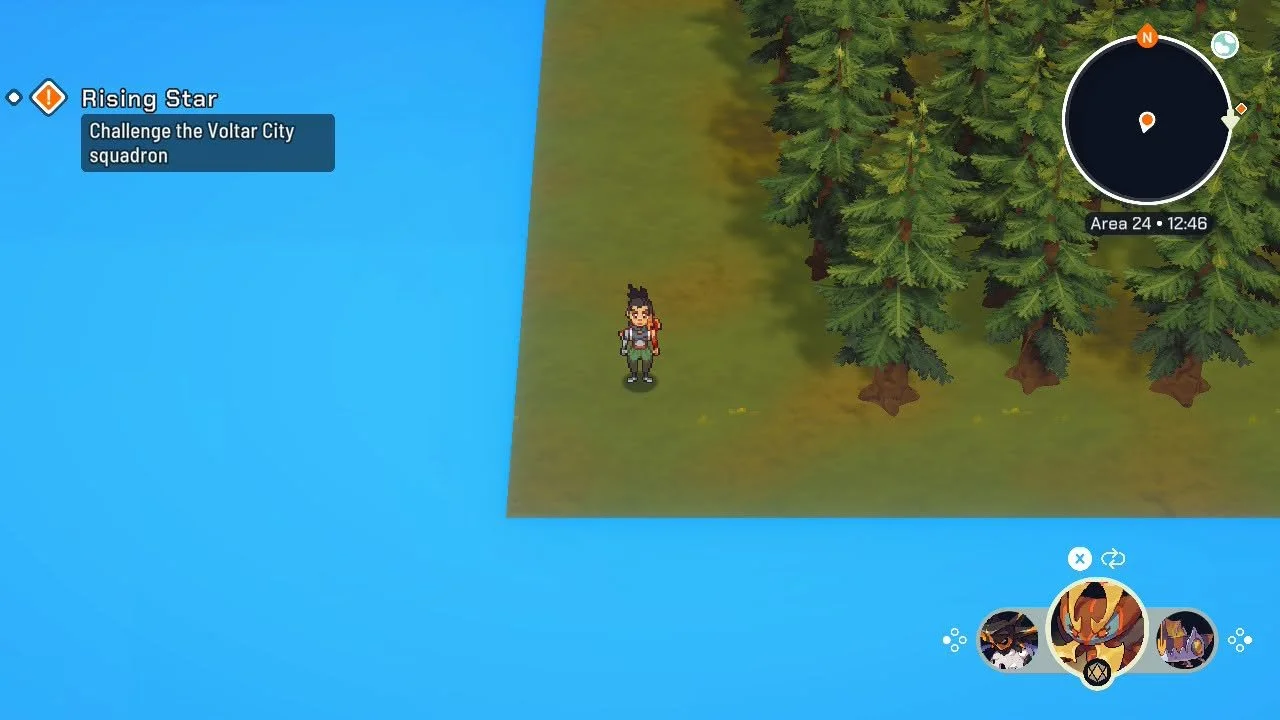
Beyond these performance issues, several bugs can soft-lock the game. For example, interacting with the card pack interface prematurely freezes the menu, necessitating a full application restart. I also encountered a jarring glitch where my character spawned beneath the game world, potentially triggered by closing and reopening the application too quickly. Finally, the naming filter for Animon is far too restrictive. It flags innocuous words like "Grass," "Adam," and "Control" as profanity, and even personal choices like "Murgatroyd" are blocked regardless of spelling or character variations. These frustrations are difficult to overlook in an otherwise promising title.
Gameplay-wise, Lumentale captures everything I love about the genre. The creature designs are imaginative and distinct, making the evolution process consistently rewarding. While the narrative functions more as a framework to guide your exploration rather than a complex plot, it effectively encourages you to discover the world’s lore at your own pace as you travel between cities. However, these strengths are overshadowed by technical instability. While I can overlook minor visual bugs or frame-rate dips, the game’s frequent, game-breaking glitches that repeatedly force me to restart the application are difficult to ignore. I wanted to score this title higher, but given its current state, it is simply too unstable for a top-tier recommendation. I have awarded Lumentale a 7/10 for now, and I look forward to updating this review should future patches resolve these critical performance issues.
Lumentale: Memories of Trey
Gameplay-wise, Lumentale captures everything I love about the genre. The creature designs are imaginative and distinct, making the evolution process consistently rewarding. While the narrative functions more as a framework to guide your exploration rather than a complex plot, it effectively encourages you to discover the world’s lore at your own pace as you travel between cities I wanted to score this title higher, but given its current state, it is simply too unstable for a top-tier recommendation