Final Fantasy Resonance First Impressions: How A Dead Phone Game Might Be The Key to a Turn-Based Renaissance For The Franchise
Square Enix released the entire first chapter of Final Fantasy Resonance as a free demo on September 3, hours after Sony's State of Play showed it off. The demo is sizable, running about three to five hours, and the save carries straight into the full game on October 22 (love to see it). All of it is built from Final Fantasy Brave Exvius, the 2015 mobile RPG Square shuttered a couple of years back, which means the demo's whole job is to make you care about a knight named Rain before you have spent a dollar.
Brave Exvius behaved like the gacha it was, with rarity pulls and a cast that ballooned across four story seasons before the servers went dark. Still, despite the eventual wind-down of the game, for a mobile gacha title to run that long implies that the community was involved in the lore and narrative beyond the shiny pulls, which gave Resonance a strong foundation to pull from. Development is split between Lancarse and Square Enix's Creative Studio 5, the Octopath Traveler group, and the monetization has been stripped to the studs, with one purchase and no stamina meter deciding how much of a dungeon you finish in a sitting. Producer Keisuke Nakashima told Automaton that the team rewrote the scenario from the ground up for console, revised every line of dialogue, rearranged parts of the plot order where the pacing needed it, and wrote the side quests fresh, a rebuild he has described as costing about as much time and budget as an original title.
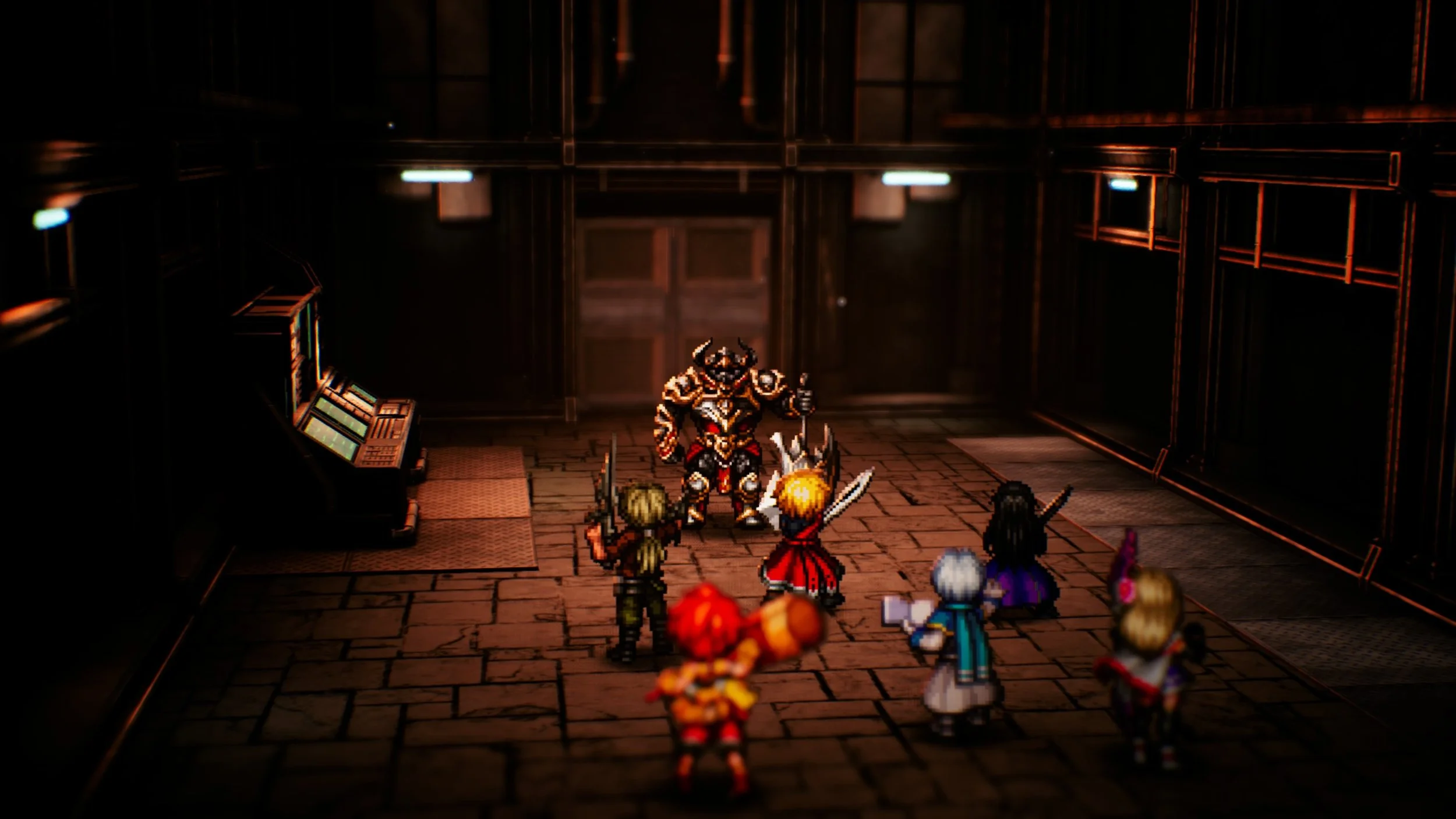
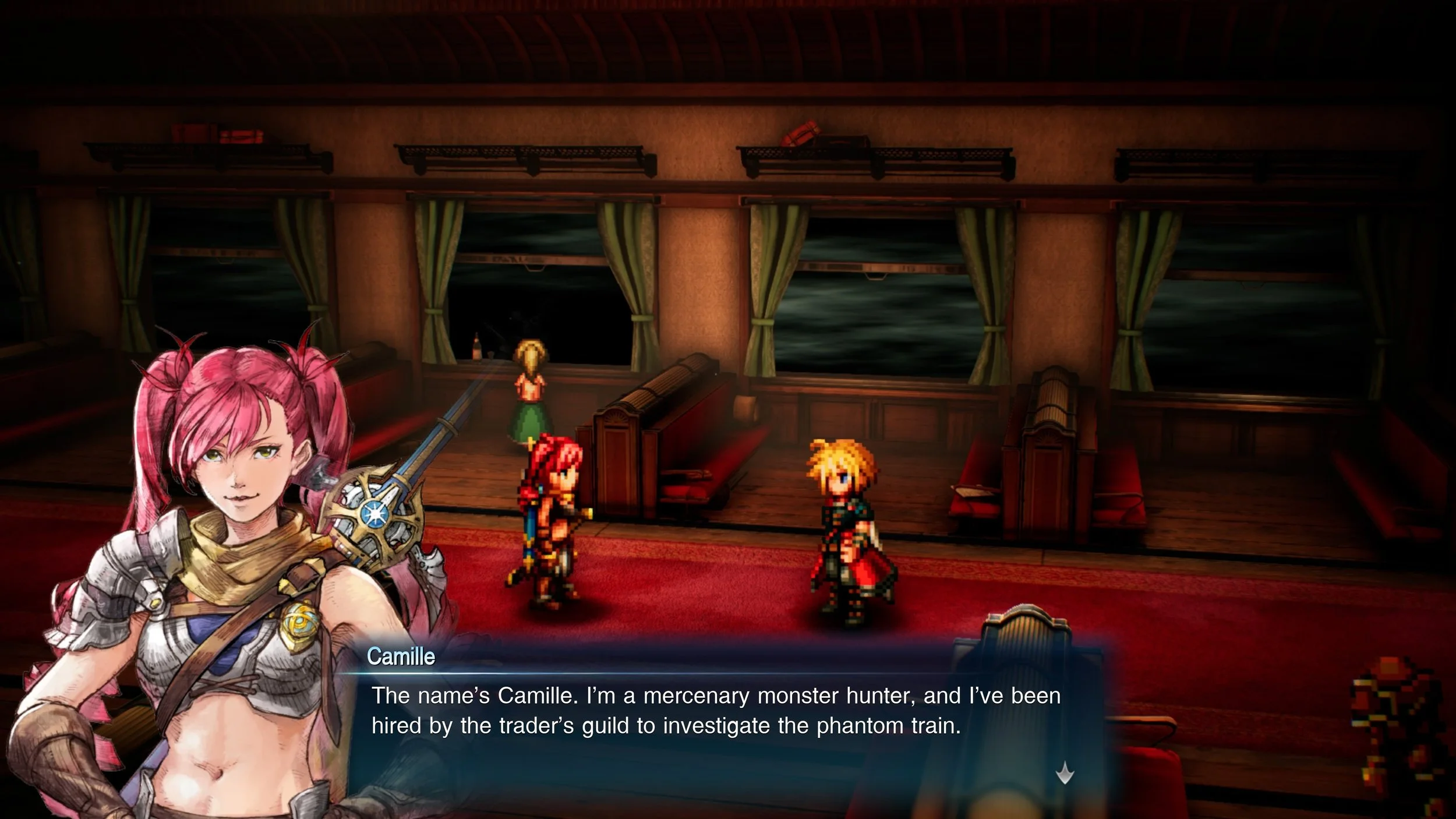
What that rebuild is in service of is a story about the crystals, the iconic artifacts that have been central to Final Fantasy games since its first entry nearly 40 years ago. Rain commands an airship brigade for the Kingdom of Grandshelt and carries a chip about his father, Raegen, the finest knight the kingdom ever produced - until he disappeared. A royal decree sends Rain and his adopted brother Lasswell to the Earth Shrine, where the protective barrier has thinned, and they arrive to find a mysterious man in black armor already inside. The figure easily defeats the duo, destroys the Earth Crystal in front of them, and on top of that their airship goes down and most of their unit dies. Woof. The man responsible, Veritas of the Dark, moves on toward the remaining crystals scattered across the world of Lapis with the stated intention of ending it. Fina, an amnesiac girl they find sealed inside a crystal, joins the pursuit.
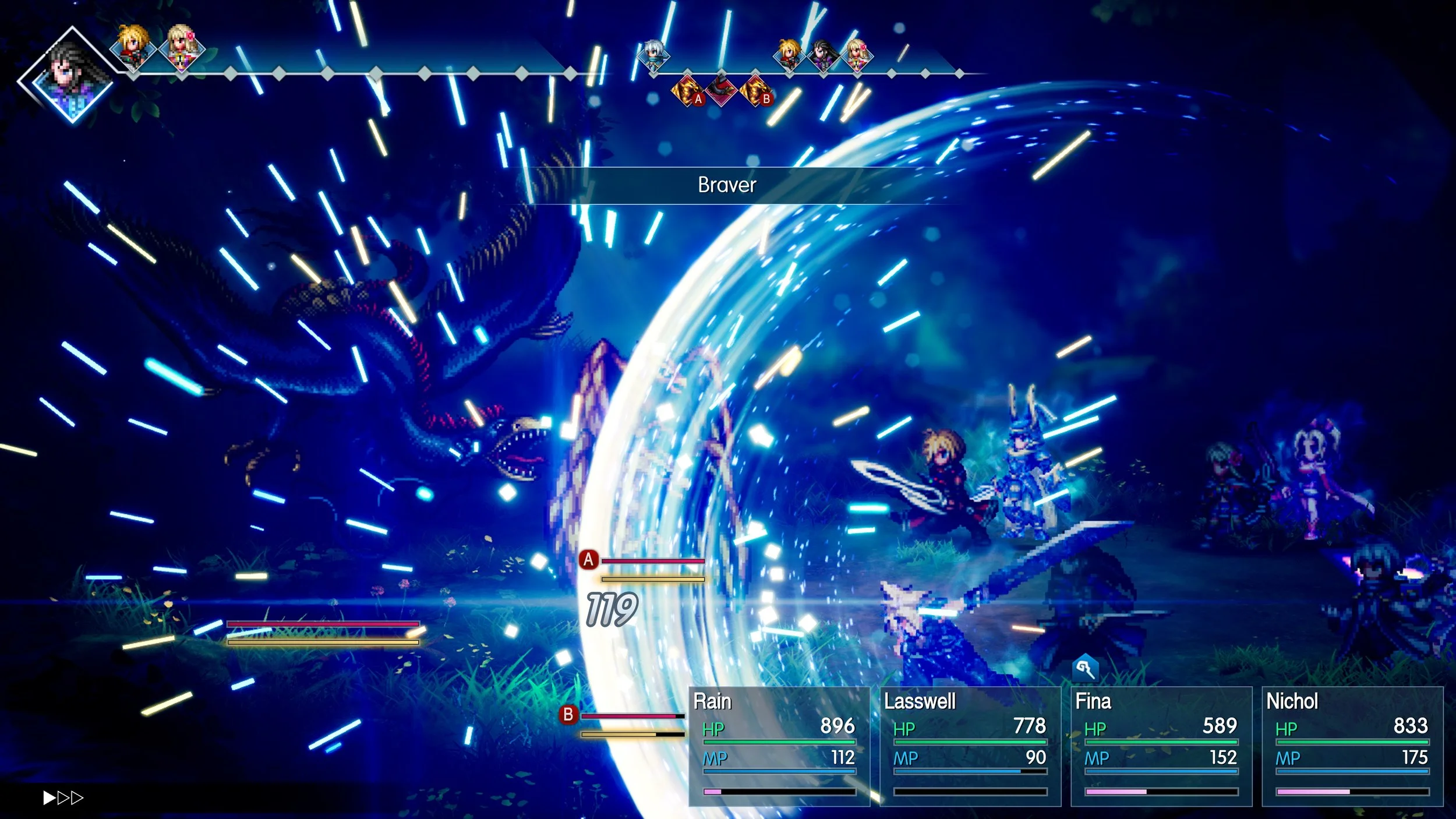
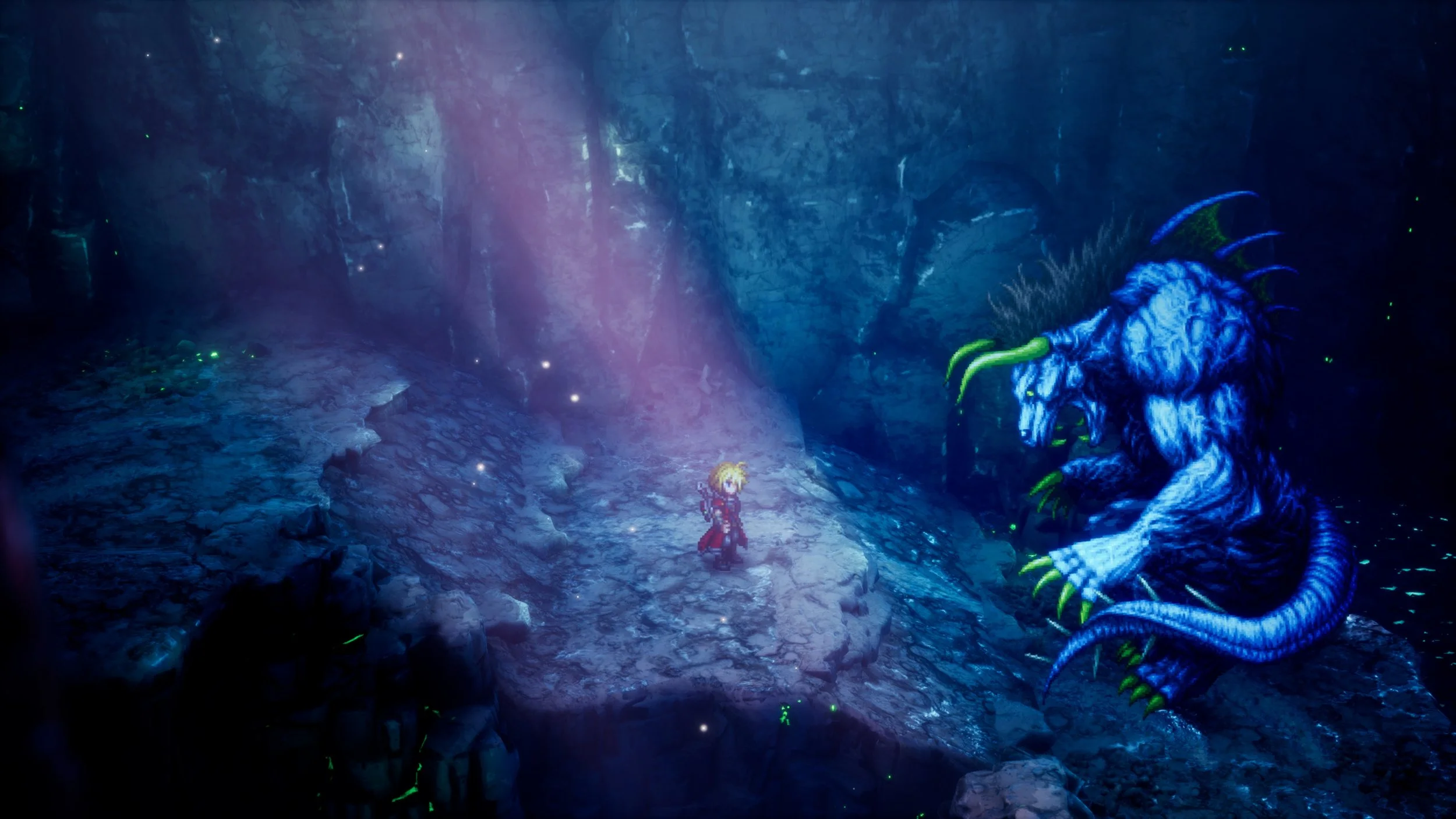
The look is what everyone leads with, and it earns that. Resonance is the first Final Fantasy built in HD-2D, and the environments do more work here than they did in Octopath Traveler II or the Dragon Quest III remake, where sprites tended to sit on top of the 3D backdrops rather than live inside them. Wind moves through the grass in the fields outside Grandshelt, lighting changes the color of a room as you cross it, and the depth of field pulls tight enough during conversations that you notice who is being kept out of focus. Cinematics go somewhere else entirely. Square is rendering 3DCG models and then resolving them down into pixels, so the opening movie gets camera moves and choreography no sprite sheet could support while still reading as pixel art. Vision summon attacks break the same way, sweeping the HD-2D aside for a few seconds of lavish CG, and admittedly the visual jump between registers is abrupt enough that GameSpot's hands-on singled it out as the strangest thing about the presentation. I definitely notice but it’s not quite as jarring to me.
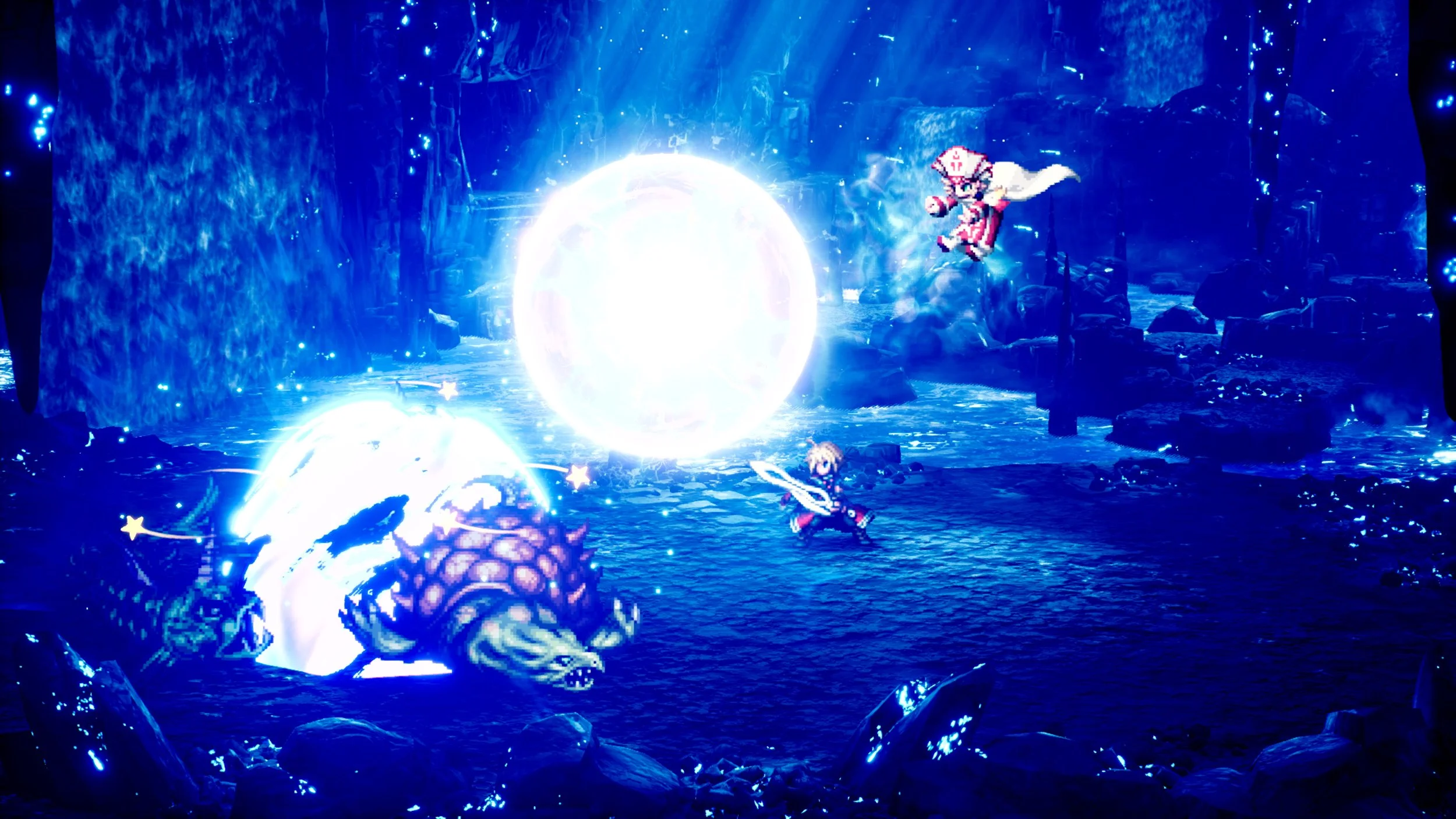
Combat runs off a timeline strip across the top of the screen showing action order for both sides through the next turn, with a stagger gauge sitting under each enemy's HP bar. Drain that gauge and the enemy skips its turn and takes a defense penalty, so most of the thinking in a fight becomes arithmetic about whether your stagger lands before or after the boss gets to move. Weaknesses drain it fastest. A Sweeping Stagger opens an Extra Phase where the party piles on, and that phase caps with a Resonance, the Vision-specific special move the game takes its name from. Limit breaks fill under each character's HP and MP bars, and espers, which unlock through story progress and side quests rather than being handed to you, join the party for three turns and then leave on a finishing blow before the fight resumes without them.
None of this is entirely new. Creative Studio 5 built Octopath Traveler. Every hands-on preview filed since the game surfaced at Gamescom in August has reached for that comparison somewhere inside its opening paragraph.
Playing the demo on Switch 2 across two evenings this week, though, I did not find the same density underneath the resemblance. Octopath's break system runs on a weapon-and-element grid where every enemy hides a specific set of vulnerabilities you have to uncover by guessing, and boost points let you bank turns to dump into one devastating action. Resonance is looser. Weaknesses become legible almost immediately, the stagger math forgives more than it probably should, and a bad read rarely cost me more than a single turn. Whether that is chapter-one training wheels or the shape of the whole game is the one thing the demo cannot answer, and Nakashima has said the full campaign runs somewhere north of forty hours.
Visions are the piece that makes Resonance feel like its own animal. They are crystallized essences of characters, earned by completing events tied to people you meet, and you equip them to party members the way you would slot a job. Fight with a Vision active and it levels its own ability set, which then stays available after you swap to a different Vision, so long as you stay inside a cost limit. Vision crystal sanctums scattered across the world hand out legacy Final Fantasy heroes, and the demo's starting spread covers a lot of ground: Warrior of Light for thunder magic and party protection, Cloud for physical damage with lightning attached, Terra for the elemental package, Zidane built around stealing buffs off enemies. For the Brave Exvius devoted - it’s true the roster this borrows from once included a playable Ariana Grande, added in a 2017 crossover, but no, I’m afraid she did not make the cut.
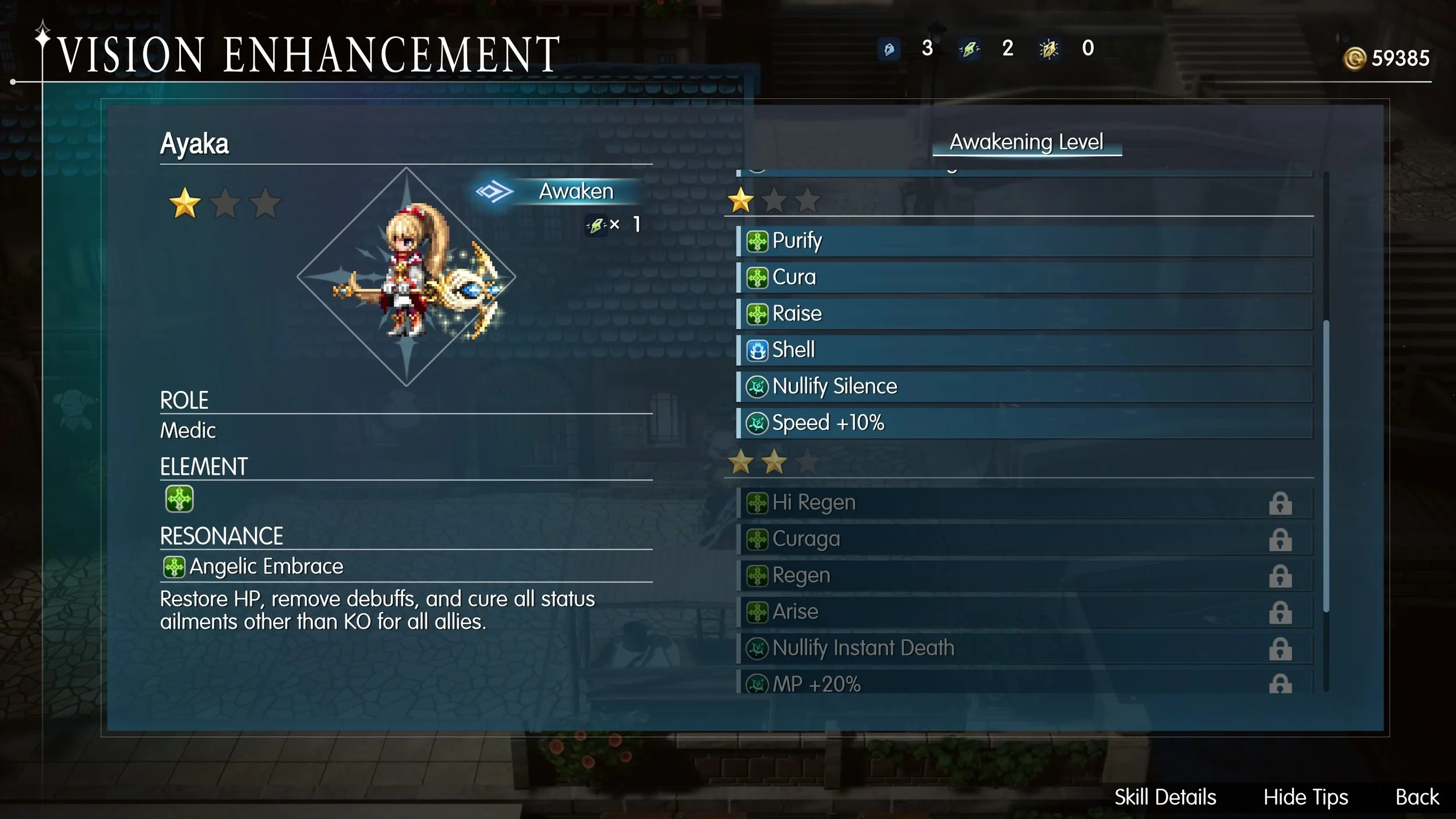
The builds worth chasing come from pairing a Vision against what a character lacks rather than doubling down on what they already do well, and Square pulled the rarity tiers out of the system entirely, so the Vision you like is as viable as the one the gacha would have charged you for. Sephiroth is also tucked into the demo as an optional fight that drops a unique item if you win, which is a strange thing to bury in a preview build and a good reason to walk into corners of the map you would otherwise skip.
Mainline Final Fantasy has not shipped a straight turn-based battle system since Final Fantasy X in 2001, and the two decades since have been filled by gambits, ATB hybrids, and the full action combat of XVI, which were all Square Enix’s way of trying to meet the shifting player-base where they were…while continuing to frustrate and distance the franchise from the purists who yearned for a return to the turn-based structure.
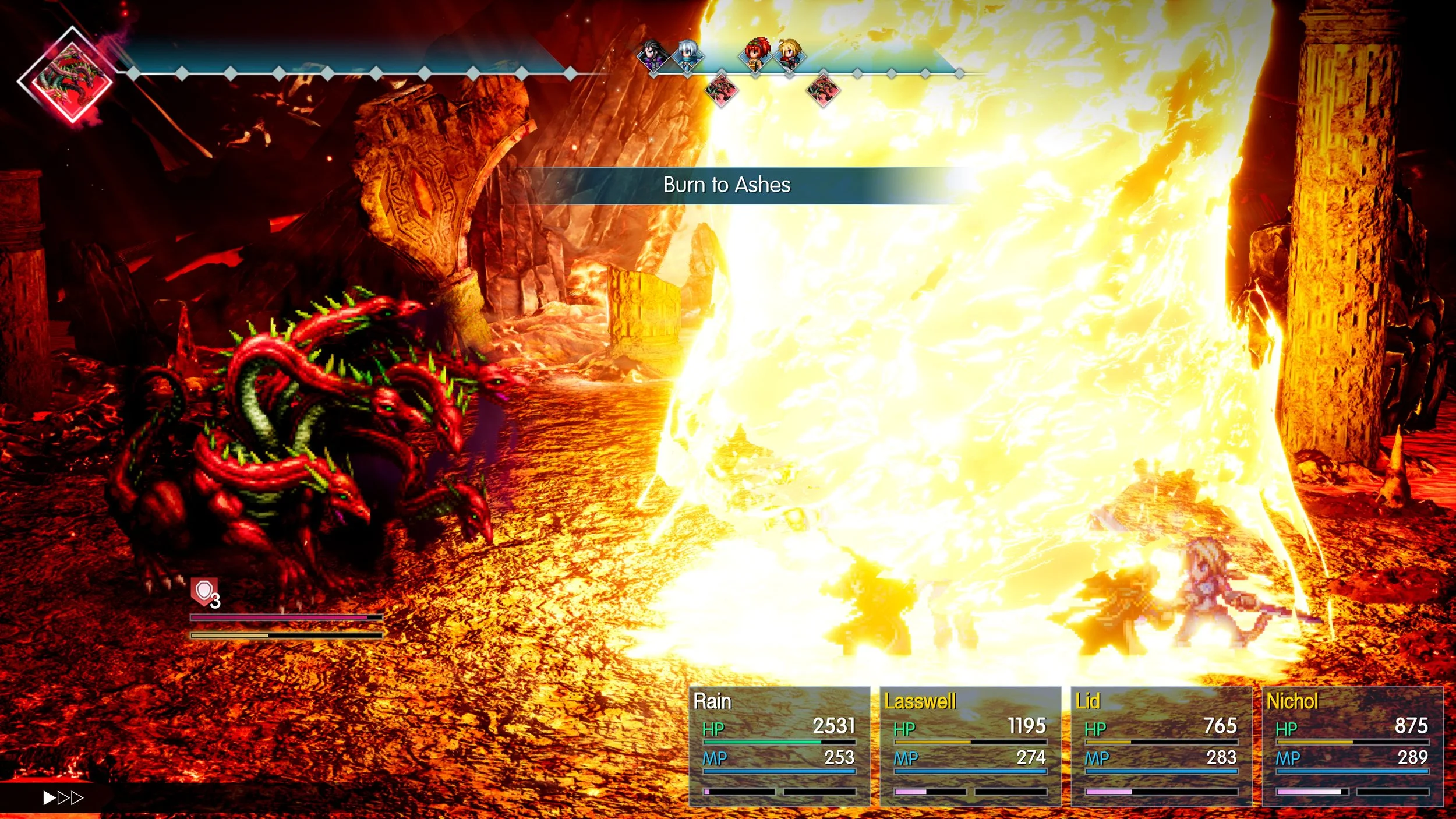
Nakashima has said outright that he wants players to come away thinking this is the Final Fantasy they have been waiting for, which is a high bar to clear given the decades of waiting for a proper turn-based Final Fantasy...yet upon completing the demo I found myself agreeing with Nakashima, along with many other excited fans. Demo threads on ResetEra filled up inside a day with people describing four-hour sessions and then deliberately putting the controller down so they would not burn through material they wanted fresh in October. The all-time-great talk is early and I understand why people flinch at it, given the long, storied history of the franchise and admittedly the surface-level of the Resonance narrative. I am still buying it day one. Preorders are open now across PS5, Xbox Series X|S, Switch, Switch 2, and PC, with a physical standard edition and a collector's edition landing alongside the digital release on October 22.